Attractions in Kuala Lumpur – Best Places to Visit for First-Time Travellers

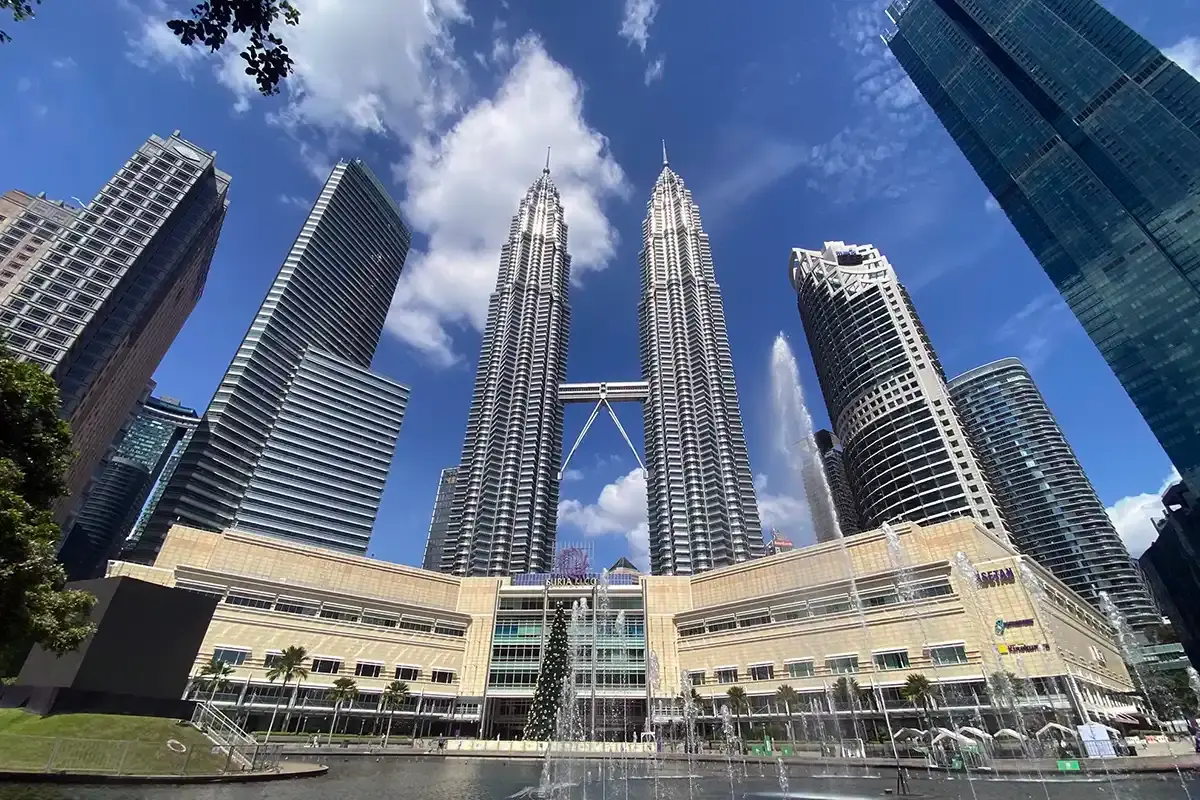
Kuala Lumpur is one of Southeast Asia’s most enjoyable cities to explore, offering a mix of modern towers, colourful neighbourhoods, heritage sites and easy-to-reach green spaces. For first-time visitors, knowing which attractions to prioritise can make your trip smoother and far more enjoyable.
This guide highlights the main attractions in Kuala Lumpur and helps you understand how each area fits into the city’s layout. It forms part of our wider Kuala Lumpur Destination Hub, where you can find practical tips on neighbourhoods, food, itineraries and transport. If you’re planning a longer trip across the country, our Destinations in Malaysia hub shows how Kuala Lumpur connects to other popular places such as Penang, Langkawi, Cameron Highlands and Malacca.
In the sections below, you’ll find clear explanations of the city’s must-visit landmarks, cultural sites, parks, family-friendly attractions and photo spots. The aim is to help you decide which places match your interests, how much time to spend at each, and how to plan your visit without feeling rushed..
Key Takeaways Attractions in Kuala Lumpur
- Kuala Lumpur offers a mix of modern landmarks, cultural temples, street markets and nature spots, making it easy for first-time visitors to plan a balanced itinerary.
- The Petronas Twin Towers, KLCC Park and KL Tower form the city’s main cluster of iconic attractions and are easy to explore within a day.
- Batu Caves remains one of the top places to visit in Kuala Lumpur, especially for travellers interested in culture, photography and half-day trips from the city.
- Neighbourhoods like Chinatown, Bukit Bintang and KLCC provide convenient access to food, shopping and public transport.
- Many attractions in Kuala Lumpur are free, including Batu Caves, KLCC Park and Merdeka Square, making the city friendly for all budgets.
- Some attractions in Kuala Lumpur are not fully wheelchair-friendly, especially locations with stairs, uneven paths or limited lift access. Planning ahead helps visitors choose the most accessible places.
KLCC – The Heart of Kuala Lumpur’s Most Iconic Attractions
KLCC is often the best starting point for first-time visitors because many of the city’s most recognisable attractions are located within a compact, walkable area. It’s lively from early morning until late at night, making it easy to explore at your own pace. For travellers who want convenience, KLCC offers a good mix of sightseeing, dining and green spaces—all connected by sheltered walkways and efficient public transport.
The district is especially suitable for families. You’ll find shaded pedestrian paths, stroller-friendly routes, indoor attractions and plenty of restaurants and cafés. KLCC Park adds even more appeal with its spacious playgrounds and wading pool, giving children a comfortable place to unwind between activities.
KLCC also connects smoothly to other neighbourhoods, including Kampung Baru, which is just a short walk or LRT ride away. This makes it simple to combine modern attractions with traditional Malay food and quieter local streets. Whether you’re visiting Kuala Lumpur for a short stopover or a longer holiday, KLCC offers a convenient and enjoyable introduction to the city.
Petronas Twin Towers – The Most Famous Landmark in Kuala Lumpur
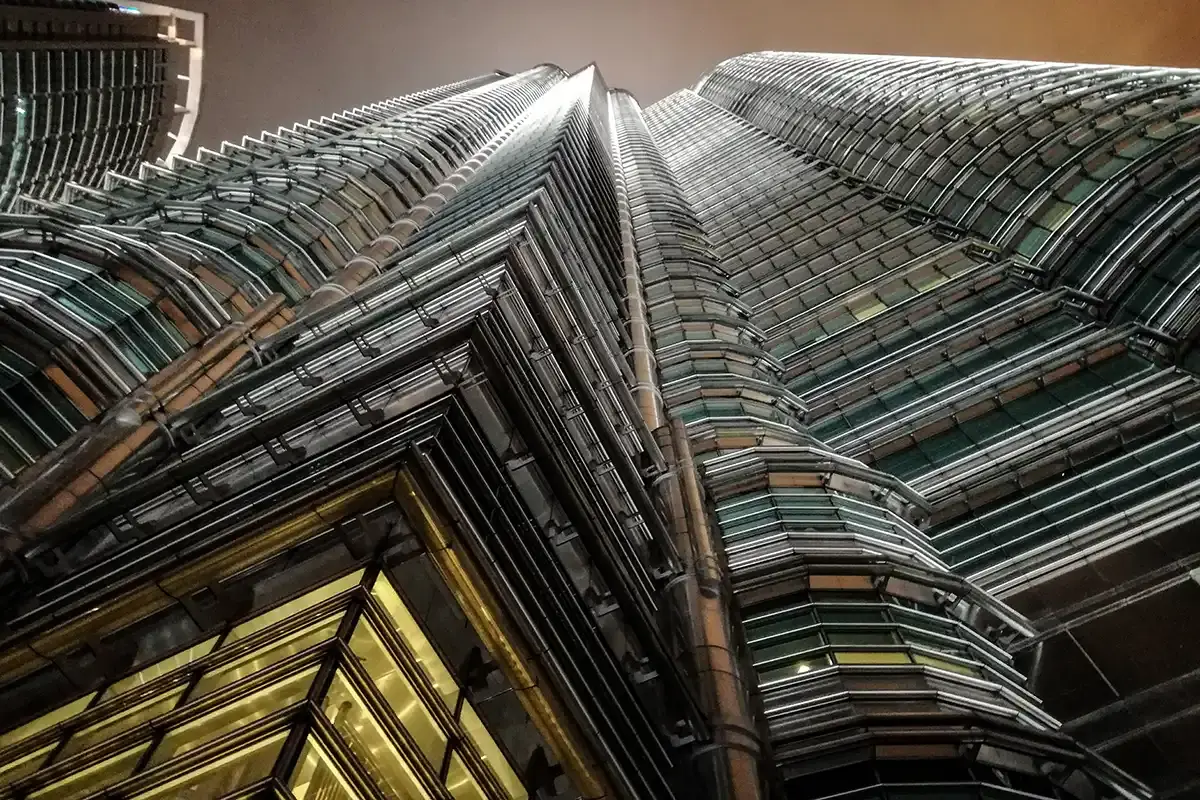
No visit to Kuala Lumpur feels complete without seeing the Petronas Twin Towers. As one of the most iconic Kuala Lumpur attractions, the towers are instantly recognisable and offer a great introduction to the city’s modern skyline. Visitors come for the Skybridge, the panoramic Observation Deck and the impressive views of KLCC Park below.
If you plan to go up to the viewing platforms, it’s best to book your tickets ahead of time. Early mornings and late afternoons usually offer the most comfortable experience, with softer lighting and fewer crowds. For photography, KLCC Park provides excellent angles of the towers, especially around the lake area during sunset or when the fountains light up at night.
To help you make the most of your visit, you can explore our Petronas Twin Towers Visitor Guide, which covers ticket options, suggested visiting times and useful tips for navigating the area. Whether you’re here for skyline views, architecture or memorable holiday photos, the towers are a highlight for almost every traveller.
KLCC Park – Scenic Green Space in the City Centre
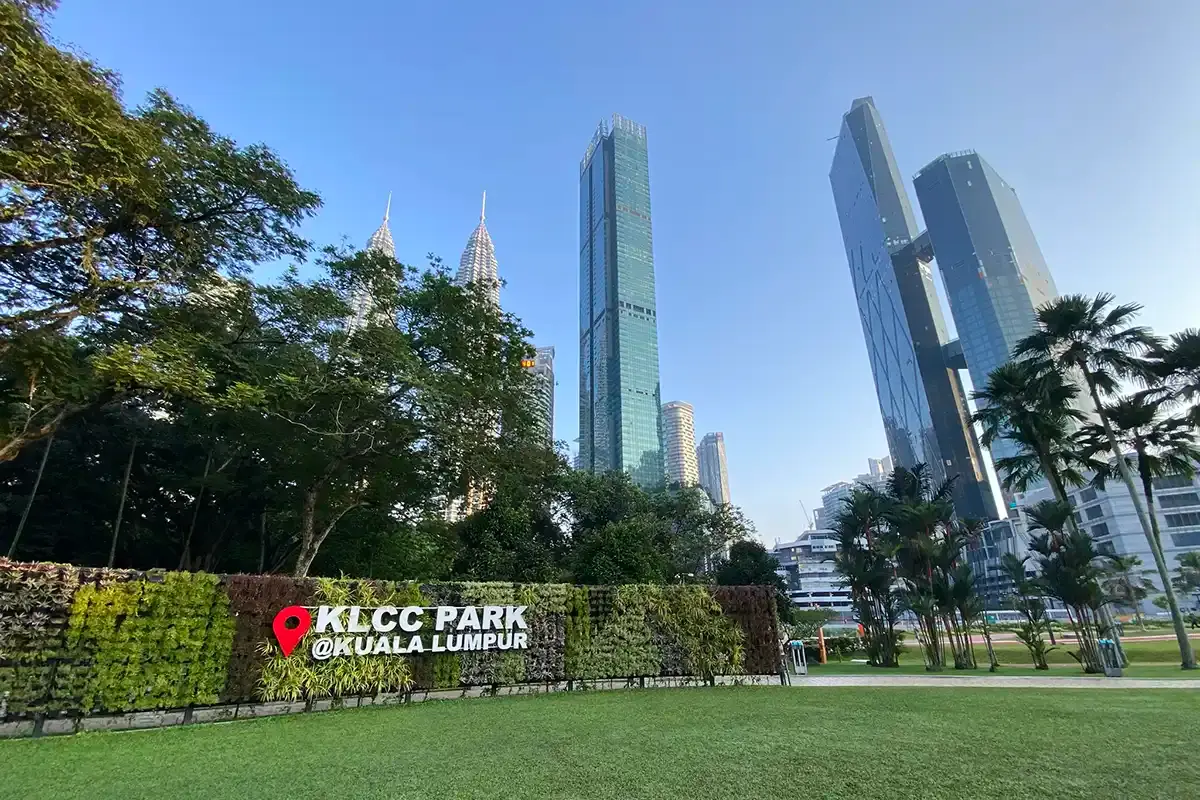
KLCC Park is one of the most welcoming outdoor spaces in the city and a perfect place to pause between sightseeing stops. Located right at the base of the Petronas Twin Towers, the park features shaded walking paths, open lawns, lake views and several quiet spots where you can relax and take in the skyline.
Families especially enjoy spending time here. The park includes a spacious playground and a popular children’s wading pool, making it an easy and comfortable stop for younger travellers. Many visitors come here in the late afternoon to cool down, unwind or simply enjoy the fountain displays before continuing their day.
If you’re planning to explore KLCC in more detail, our KLCC Park & Surrounding Attractions Guide covers recommended walking routes and the best photo spots around the area. Whether you’re visiting for a quick break or staying nearby, KLCC Park is a refreshing part of the city that adds balance to your Kuala Lumpur sightseeing.
Read the full guide
Saloma Bridge – A Colourful LED Walkway Linking KLCC and Kampung Baru
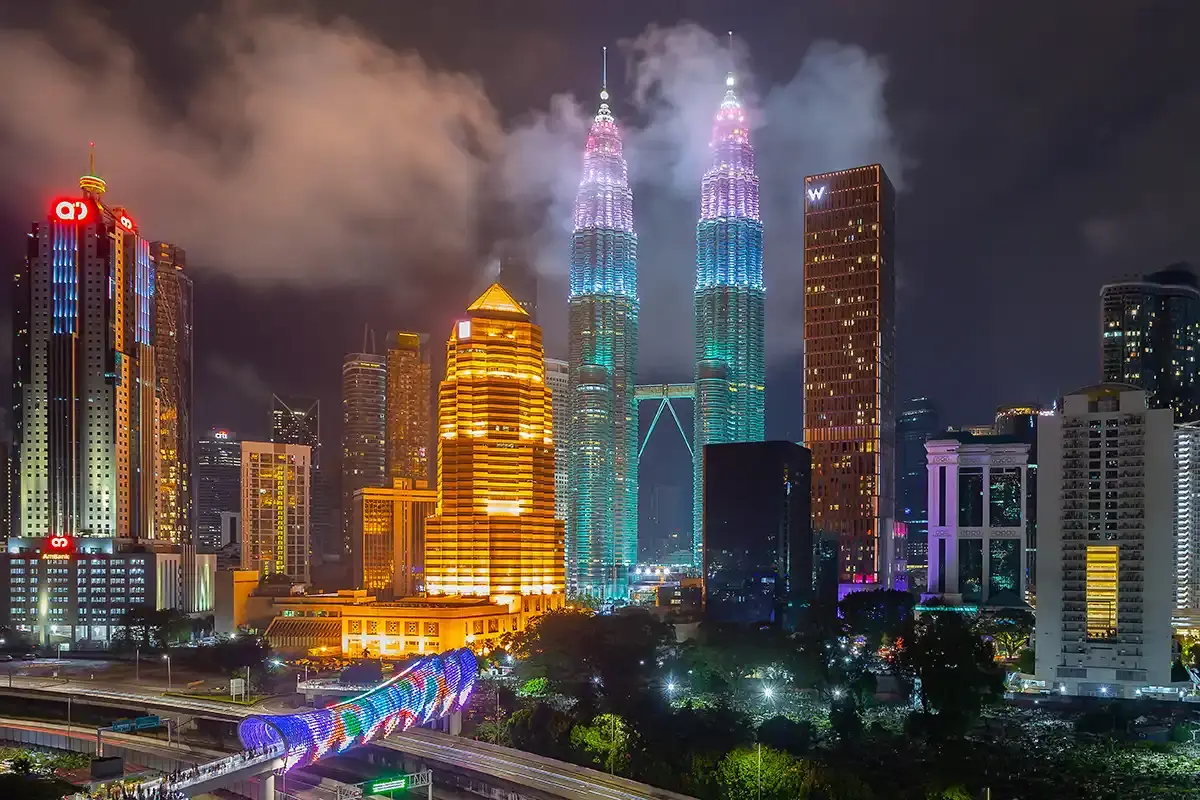
Saloma Bridge has become one of Kuala Lumpur’s most photographed modern landmarks, thanks to its striking LED design and convenient location between KLCC and Kampung Baru. The bridge’s twisting structure lights up in vibrant colours at night, creating a dramatic backdrop for photos with the Petronas Twin Towers in the distance.
During the day, the bridge serves as a practical pedestrian link, making it easy to walk from the modern KLCC district to Kampung Baru, one of the city’s most historic Malay neighbourhoods. Many visitors enjoy crossing the bridge in the late afternoon, then heading into Kampung Baru for traditional Malay food or a relaxed evening stroll.
Saloma Bridge is a great example of how Kuala Lumpur blends contemporary architecture with cultural heritage, giving travellers an easy way to experience two very different sides of the city in one visit.
From KLCC and its modern highlights, many travellers continue to one of Kuala Lumpur’s most meaningful cultural sites—a limestone temple complex that has become a symbol of the city.
Batu Caves – A Cultural Icon and One of the Top Attractions in Kuala Lumpur
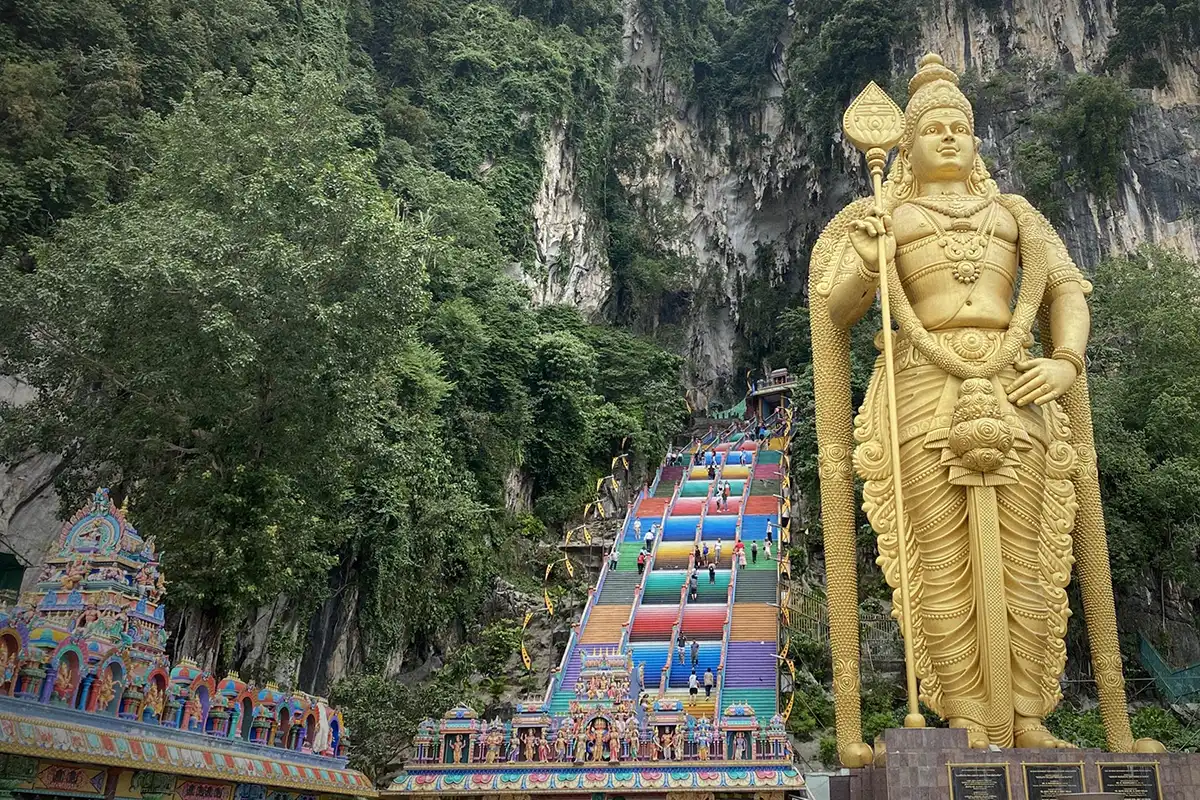
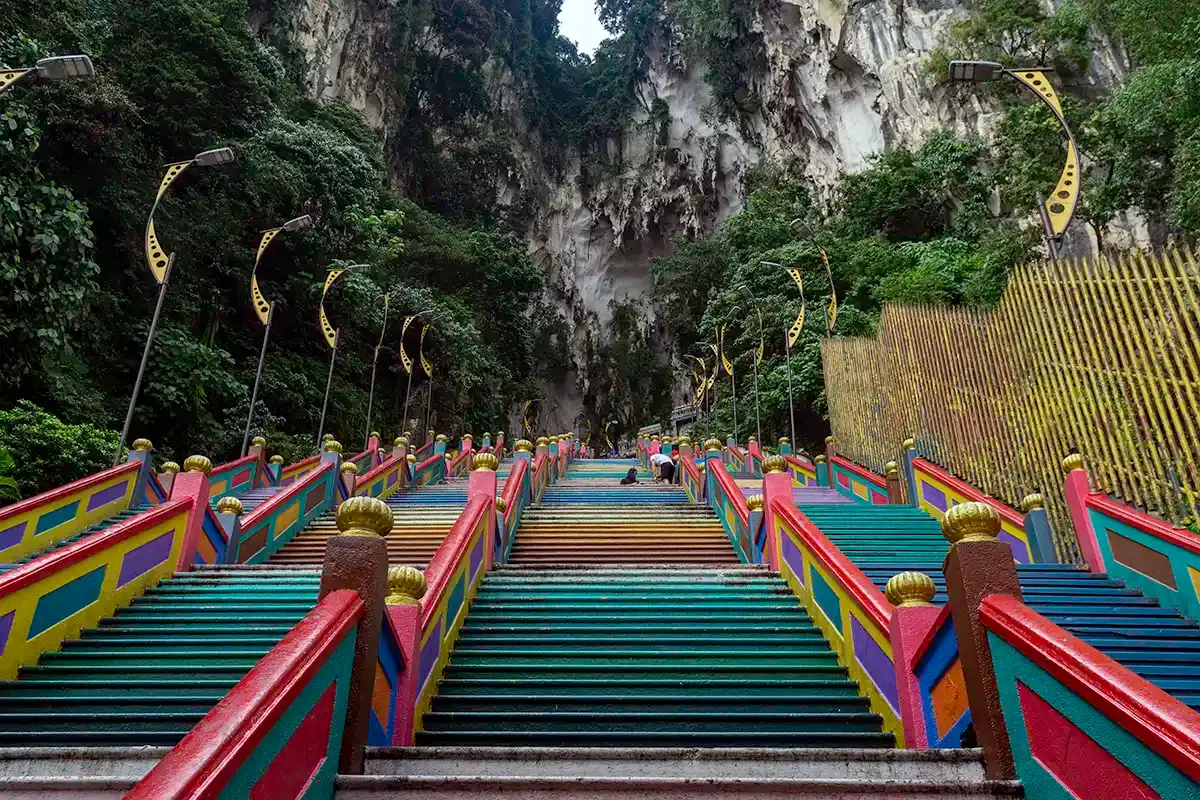
Batu Caves is one of the top attractions in Kuala Lumpur, known for its towering golden statue of Lord Murugan and the colourful staircase that leads into the main temple cave. Set against dramatic limestone cliffs, the complex offers a memorable mix of culture, nature and striking visuals that appeal to travellers of all ages.
Visitors climb 272 steps to reach the main cavern, where shrines and natural rock formations create a distinctive atmosphere. Morning visits are ideal, with cooler temperatures and softer lighting that works well for photography. For practical details—including what to wear and how to get there—our Comprehensive Batu Caves Tour Guide explains everything from the dress code to transport options.
The site is an important part of Malaysia’s Hindu heritage and remains one of the most photographed cultural landmarks in the country.
KL Tower – Panoramic Views from One of the City’s Highest Viewpoints
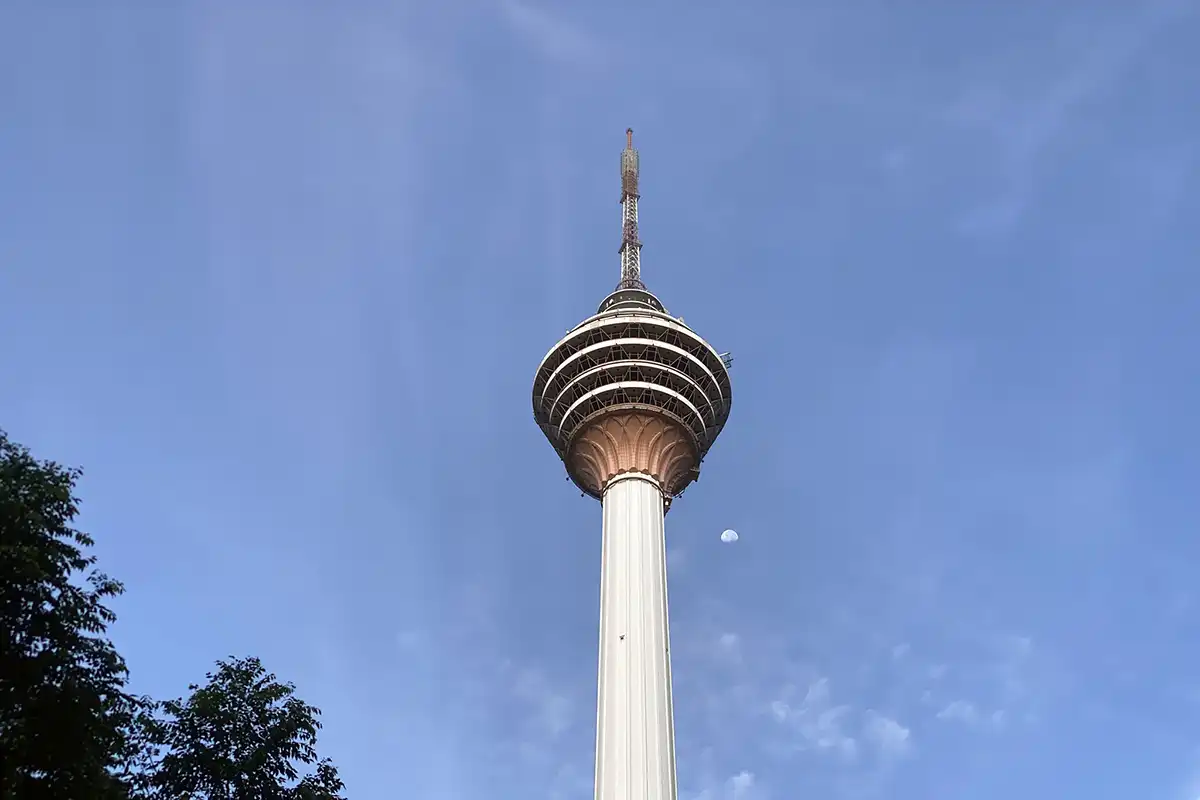
KL Tower offers one of the most impressive viewpoints in Kuala Lumpur, thanks to its hilltop location on Bukit Nanas and elevated observation decks. The tower stands above much of the city skyline, giving visitors wide, unobstructed views of the urban landscape from both the indoor viewing area and the open-air deck.
One of the highlights is the glass Sky Box, where visitors can step onto a clear platform extending beyond the edge of the tower for a dramatic photo opportunity. The combination of height and unique vantage points makes KL Tower a favourite among travellers who enjoy skyline photography or simply want to see the city from a different angle.
The tower generally has shorter queues compared to other viewing points, offering a more relaxed experience. It is also a popular choice for sunset, when the warm light and shifting colours create memorable panoramic views.
Chinatown Kuala Lumpur – Markets, Temples and Street Culture
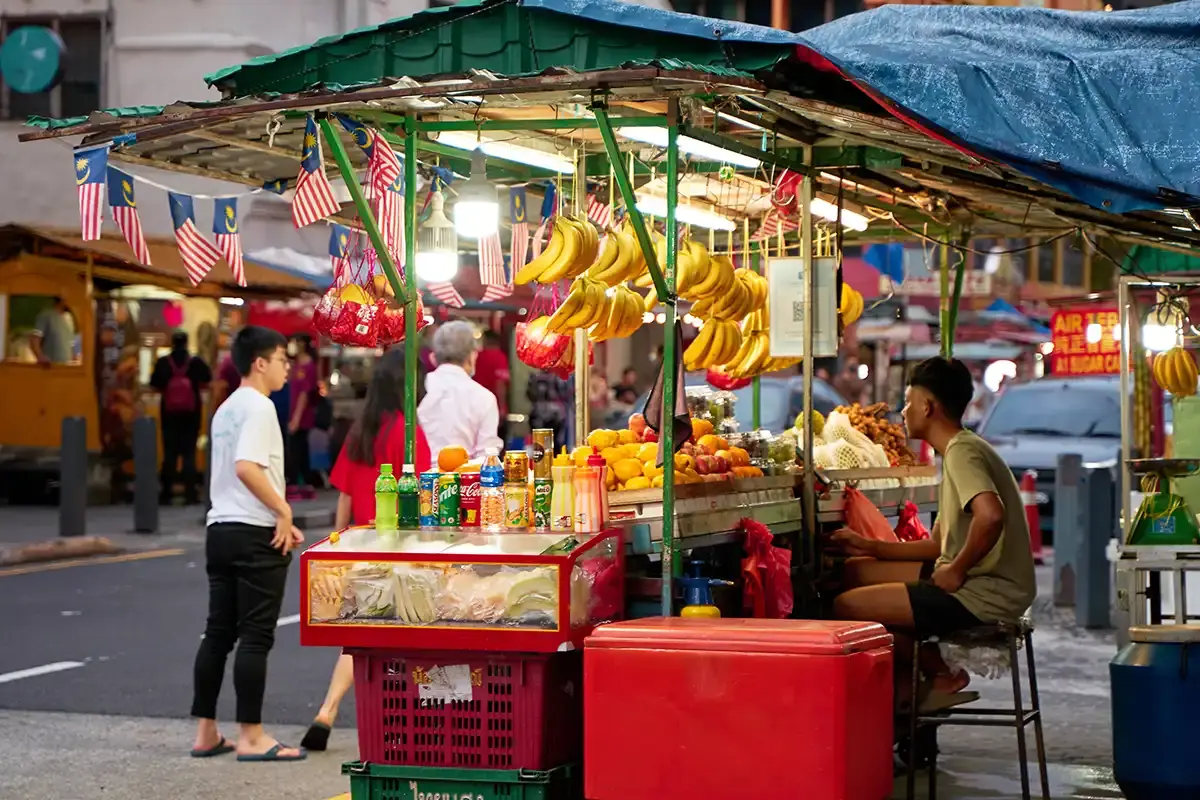
Chinatown is one of Kuala Lumpur’s most vibrant districts, known for its lively street markets, heritage shophouses and long-standing food stalls. Petaling Street forms the heart of the neighbourhood, where visitors weave through narrow lanes lined with vendors selling snacks, souvenirs, clothing and local crafts.
The area offers more than shopping. Several historic temples are located just steps away, including Guan Di Temple and Sri Maha Mariamman Temple, both notable for their architecture and cultural significance. The side streets around Chinatown reveal hidden cafés, creative murals and smaller shops that add to the district’s character.
Chinatown appeals to travellers who enjoy exploring on foot, trying local street food and experiencing a lively mix of culture and daily life. The area’s blend of markets, temples and colourful street scenes makes it an engaging stop for anyone wanting to see a different side of Kuala Lumpur.
Thean Hou Temple – A Colourful Hilltop Temple with Beautiful City Views
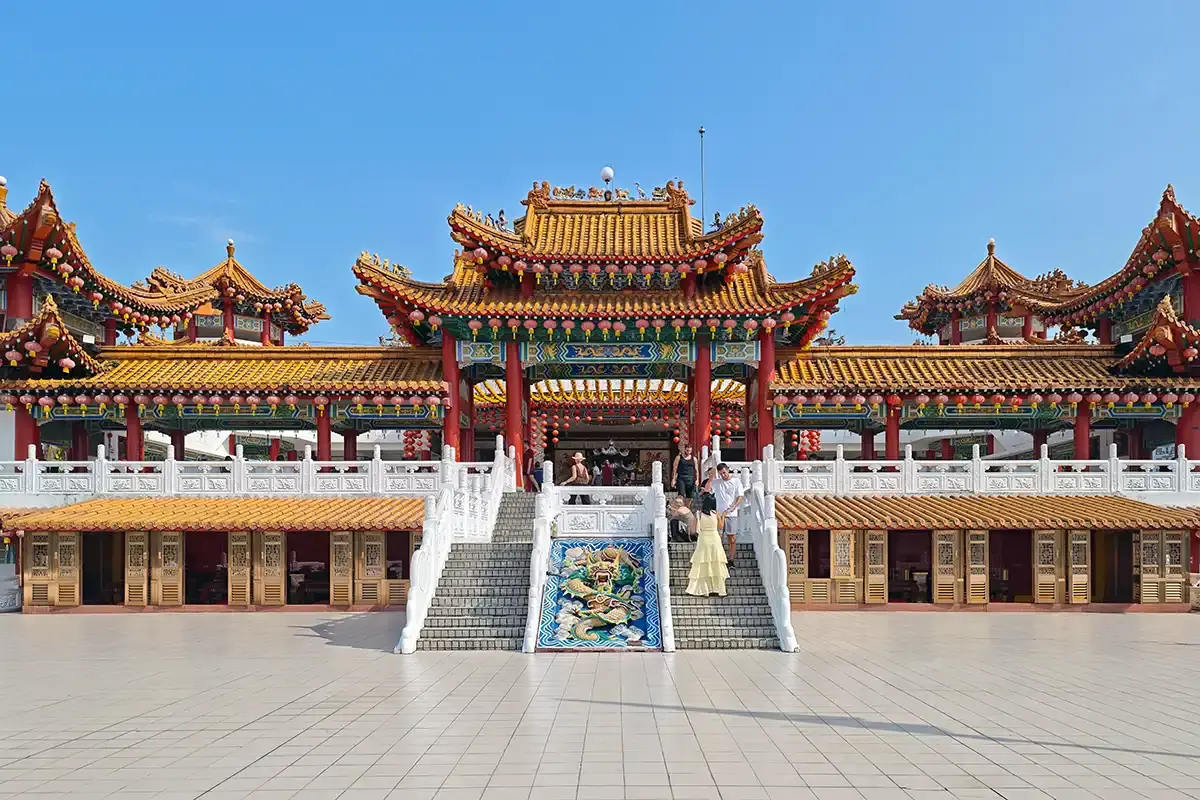
Thean Hou Temple is one of Kuala Lumpur’s most impressive cultural landmarks, known for its bright colours, detailed carvings and elegant Chinese architecture. Set on a small hill overlooking the city, the temple offers spacious courtyards, lantern-lined walkways and rooftops that make it a favourite among visitors who enjoy photography and cultural sites.
The multi-tiered structure features intricate artwork and peaceful prayer halls that you can explore at your own pace. Its elevated position provides gentle panoramic views of the surrounding area, adding a scenic element to the visit. The temple remains calm throughout most of the day, making it a pleasant stop for travellers who appreciate quieter attractions.
With its combination of cultural significance, architectural beauty and open spaces, Thean Hou Temple offers an enjoyable contrast to the city’s modern districts and is a memorable part of any Kuala Lumpur itinerary.
Little India (Brickfields) – A Colourful Neighbourhood Full of South Indian Culture
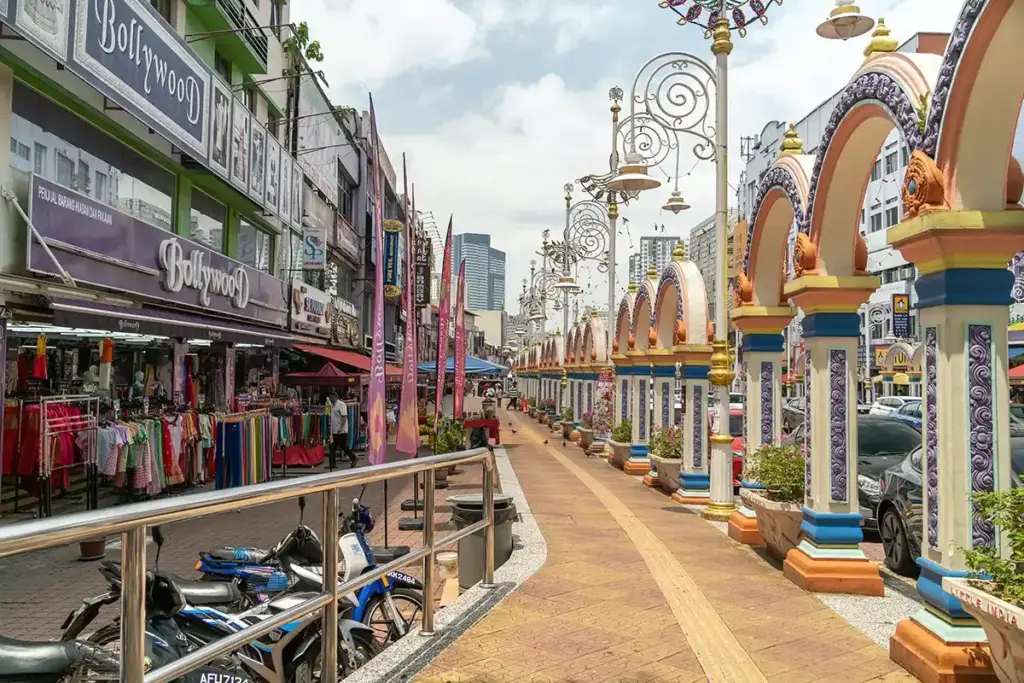
Little India in Brickfields is one of Kuala Lumpur’s most vibrant neighbourhoods, filled with colourful storefronts, traditional music, bright arches and the aroma of South Indian cooking. The area is known for its welcoming atmosphere and lively street scenes, making it an enjoyable stop for travellers who want to experience a different cultural side of the city.
The streets are lined with shops selling flower garlands, spices, sarees, sweets and handcrafted items. Food is a major part of the neighbourhood’s charm. Visitors often come here to enjoy banana leaf rice, dosa, biryani and a wide range of South Indian snacks served in casual, family-run eateries. Several Hindu temples are located nearby, adding a spiritual and historical dimension to the area.
Little India is compact and easy to explore on foot, making it a convenient place to visit before or after seeing nearby attractions such as Thean Hou Temple. It’s a lively, colourful district that highlights Kuala Lumpur’s multicultural identity through food, traditions and everyday neighbourhood life.
Merdeka Square & Colonial Landmarks – The Historic Heart of Kuala Lumpur
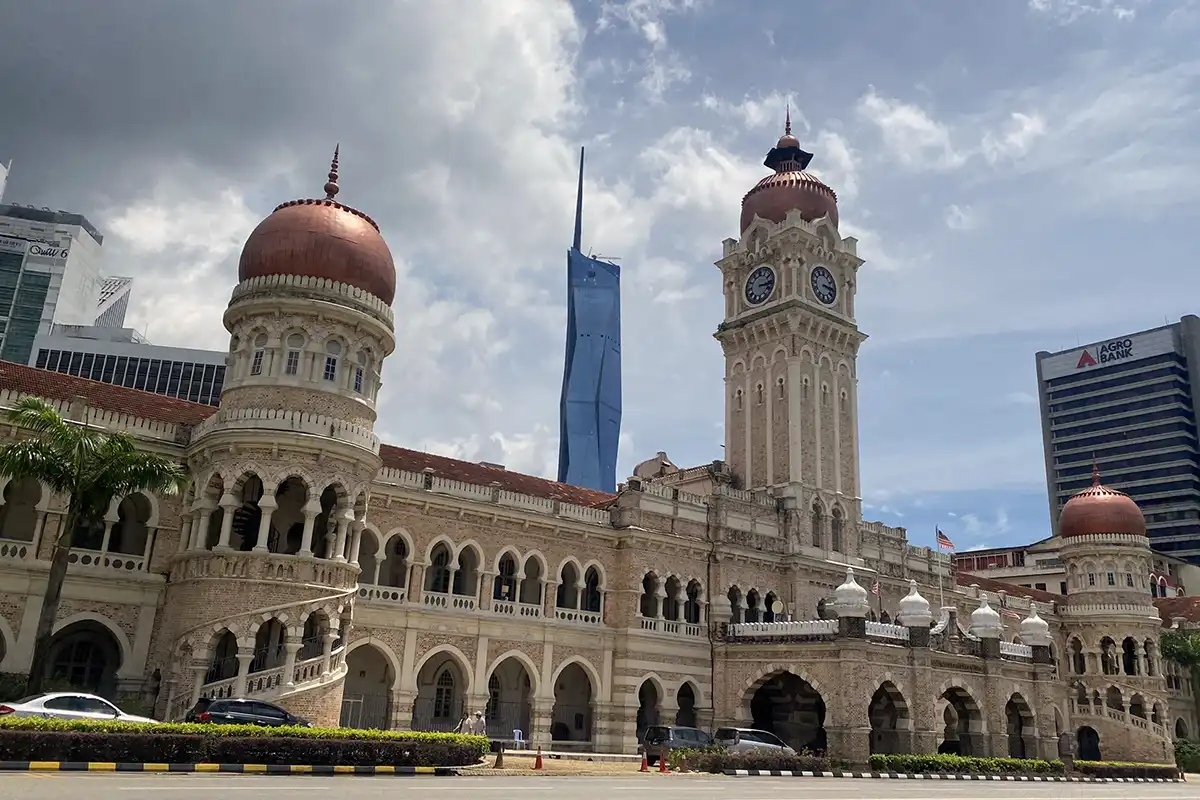
Merdeka Square is one of Kuala Lumpur’s most important historical sites, known as the place where Malaysia declared its independence in 1957. The large open field is surrounded by well-preserved colonial-era buildings that showcase the architectural styles of the city’s early development.
The most recognisable structure here is the Sultan Abdul Samad Building, with its elegant arches, copper domes and prominent clock tower. The area also includes notable landmarks such as St. Mary’s Cathedral, the old Kuala Lumpur Railway Station, and several heritage buildings that reflect the city’s British-era administrative history.
The square is a peaceful place for walking, photography and appreciating the contrast between colonial architecture and the modern skyline in the distance. Visitors who enjoy cultural and historical sites will find this district particularly meaningful, as it offers insight into Kuala Lumpur’s origins and the important moments that shaped Malaysia’s national identity.
Kampung Baru – A Glimpse of Traditional Malay Culture in the City Centre
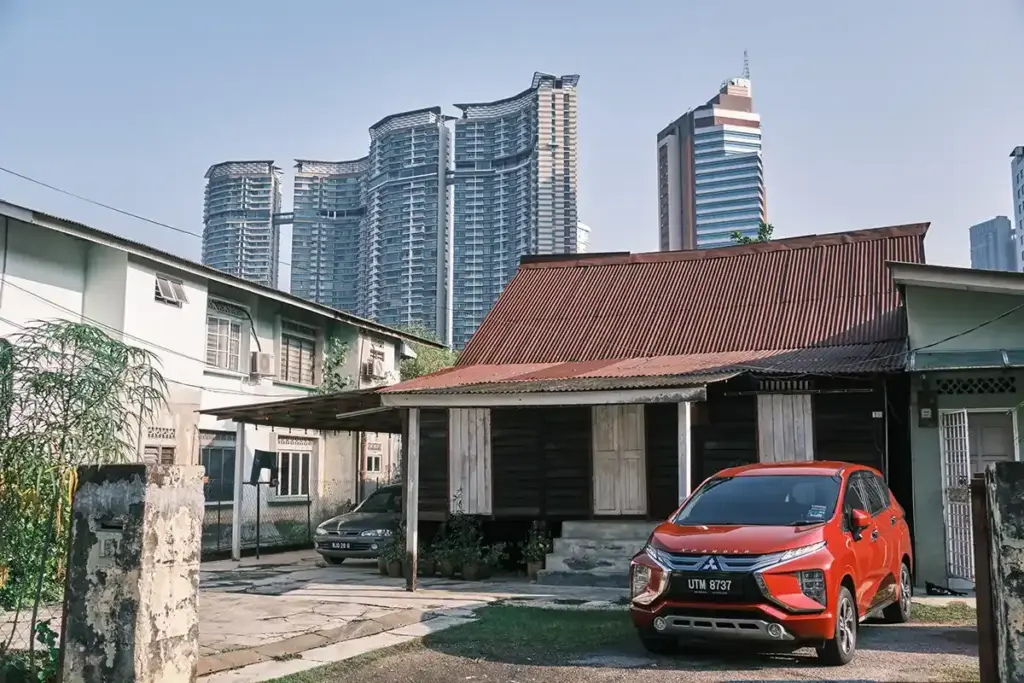
Kampung Baru is one of the best places in Kuala Lumpur to experience traditional Malay culture. Located just a short walk from KLCC, this historic neighbourhood offers wooden houses, small family-run eateries and a relaxed village atmosphere that feels different from the rest of the city. Many travellers visit to see how the older Malay community lives while enjoying some of the best local food in Kuala Lumpur.
In the evenings, the neighbourhood becomes even more lively as food stalls and night markets open along Jalan Raja Muda Musa. Popular dishes include nasi lemak, satay, grilled seafood and traditional kuih. It’s a great stop for those who want to combine sightseeing with food exploration without travelling far.
Kampung Baru is also a favourite photography spot thanks to its unique contrast: traditional Malay houses set against the backdrop of the Petronas Twin Towers. This mix of heritage and modern skyline makes it one of the more memorable neighbourhoods to include in your Kuala Lumpur itinerary.
Museums & Cultural Experiences in Kuala Lumpur
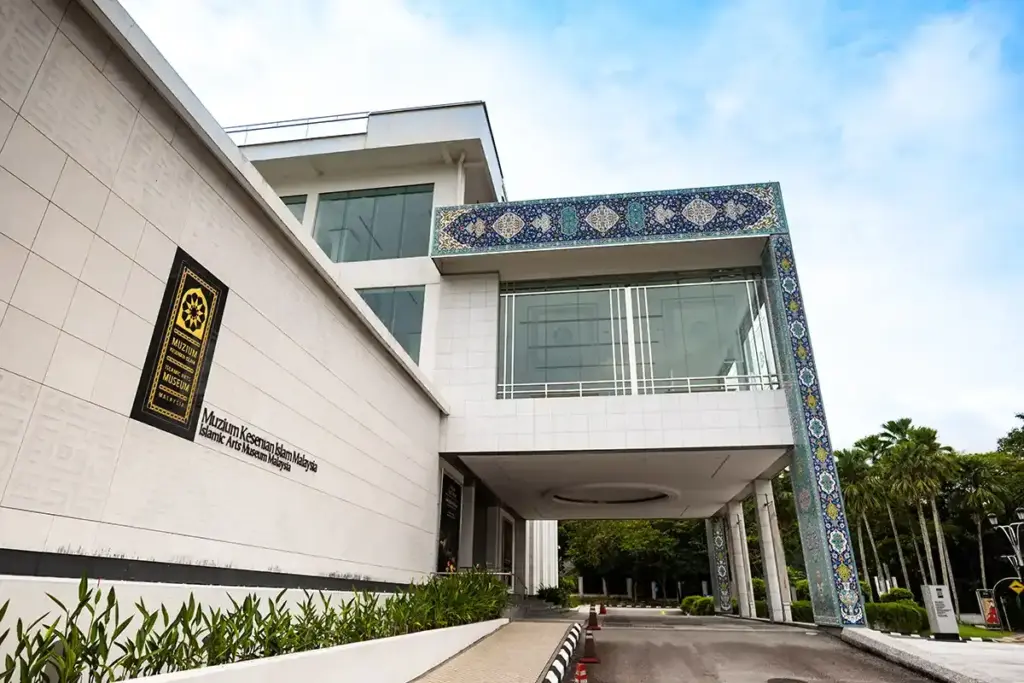
Kuala Lumpur offers several museums that provide meaningful insight into Malaysia’s art, culture and history. These venues are well-curated and offer a calm, informative experience away from the busy streets. They are especially rewarding for travellers who have an extra day in the city, as museums are best enjoyed at a relaxed pace without feeling rushed.
Islamic Arts Museum Malaysia
Widely recognised as one of the region’s best museums, the Islamic Arts Museum features beautifully presented galleries showcasing manuscripts, ceramics, textiles, metalwork and detailed architectural models. The building itself is thoughtfully designed, with bright, open spaces that make it easy to explore. It’s ideal for visitors who appreciate craftsmanship, cultural heritage and quiet, reflective environments.
National Museum Malaysia
The National Museum offers a clear overview of Malaysia’s past, covering ancient civilizations, colonial influence and the country’s path to independence. Exhibits are arranged in an intuitive sequence, giving travellers a comfortable way to understand Malaysia’s broader historical context. It’s a worthwhile stop for those who want a deeper appreciation of the country beyond its modern landmarks and neighbourhoods.
These cultural institutions add depth to any visit to Kuala Lumpur and are especially suitable for travellers who want a more comprehensive understanding of Malaysia’s diverse history and artistic traditions.
Nature & Parks – Green Spaces Among the Best Places to Visit in Kuala Lumpur
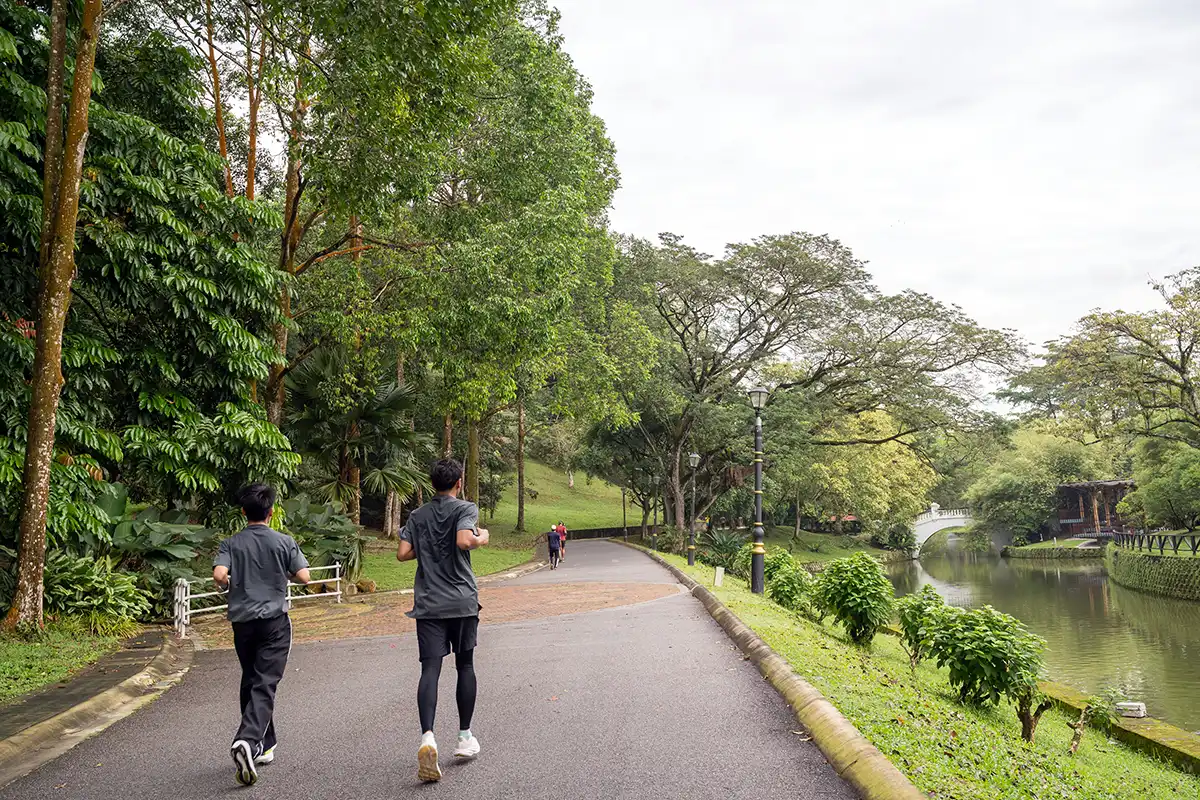
Kuala Lumpur has several welcoming green spaces that offer a refreshing break from the city’s busy streets. These parks and nature areas are among the best places to visit in Kuala Lumpur for travellers who enjoy light walking, outdoor scenery and a calmer atmosphere between sightseeing stops. Each location provides a different experience, from canopy walkways to landscaped gardens and wildlife encounters.
KL Forest Eco Park
Located next to KL Tower, KL Forest Eco Park features one of the city’s few remaining patches of natural rainforest. The elevated canopy walkway gives visitors a unique treetop perspective and views of the surrounding skyline. The short jungle trails are straightforward and suitable for travellers who want a nature experience without leaving the city centre.
KL Bird Park
KL Bird Park is known for its expansive free-flight aviary, where birds move freely through open, lush enclosures. Visitors walk along shaded pathways while observing a wide variety of species at close range. It’s a popular stop for families and nature lovers and provides a relaxing change of pace from the city’s modern attractions.
Perdana Botanical Garden
Perdana Botanical Garden offers wide lawns, shaded paths, themed plant areas and scenic lakeside views. The garden is ideal for morning walks, casual picnics or simply taking a quiet break. Its landscaped design and peaceful setting make it a favourite among travellers looking for a gentle outdoor experience.
These nature spots highlight Kuala Lumpur’s easy balance between modern spaces and green areas, offering visitors a refreshing way to enjoy the city from a different perspective.
Family-Friendly Attractions in Kuala Lumpur
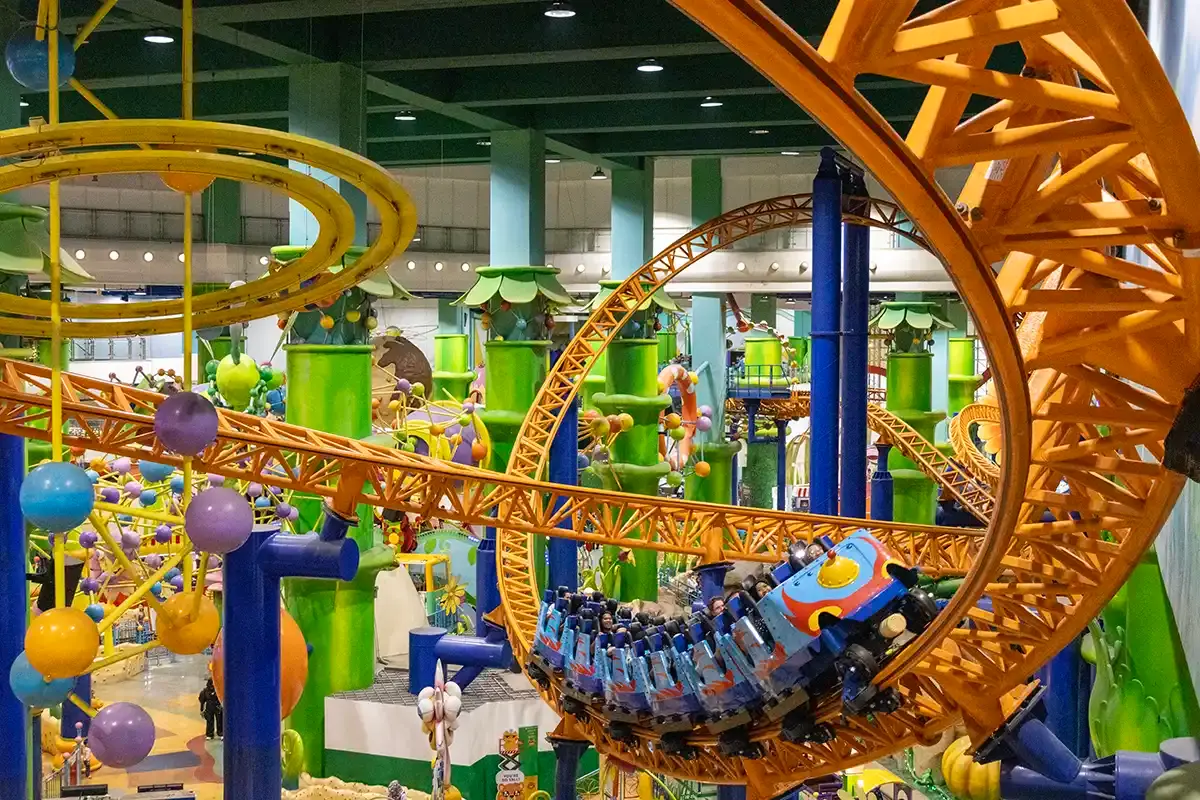
Kuala Lumpur is an easy city to explore with children, offering a good mix of indoor activities, outdoor play areas and comfortable spaces where families can take a break during a day of sightseeing. These attractions are suitable for a wide range of ages and fit naturally into most first-time visitor itineraries.
Aquaria KLCC
Aquaria KLCC is one of the most enjoyable indoor attractions in the city, especially for families or anyone looking for a cool break from Kuala Lumpur’s heat. Located within the KLCC concourse, this modern oceanarium features an impressive underwater tunnel, interactive marine exhibits and close-up views of sharks, rays and colourful reef fish.
The layout is easy to navigate, making it a relaxed experience for visitors of all ages. Many travellers include Aquaria as part of their KLCC day because it fits naturally between outdoor sightseeing and shopping at Suria KLCC. If you’re visiting with children, it’s an excellent way to balance the day with something fun, engaging and air-conditioned.
Petrosains Discovery Centre
Inside Suria KLCC, this science-themed museum features interactive zones, ride-through displays and engaging exhibits that cover space, physics and natural science. It’s a place where children learn by doing, and many adults find it just as interesting.
KLCC Park Wading Pool
Just outside Suria KLCC, the park includes a large children’s wading pool, one of the most popular family features in the area. Surrounded by shaded seating and located steps away from the playground, it offers a refreshing break for young children after a morning of sightseeing. Families staying nearby often return here throughout their trip.
Berjaya Times Square Indoor Theme Park
This indoor theme park offers a variety of amusement rides, attractions and play zones tailored to younger visitors. The air-conditioned environment makes it a reliable option on hot afternoons or rainy days. It’s especially popular among families who want a few hours of fun without worrying about the weather.
These attractions are most enjoyable when planned with enough time to move at a relaxed pace. Areas like KLCC and Bukit Bintang provide convenient access to many family-friendly activities, along with child-friendly dining options and comfortable walking routes.
Bukit Bintang – Shopping, Food and Nightlife in the City Centre
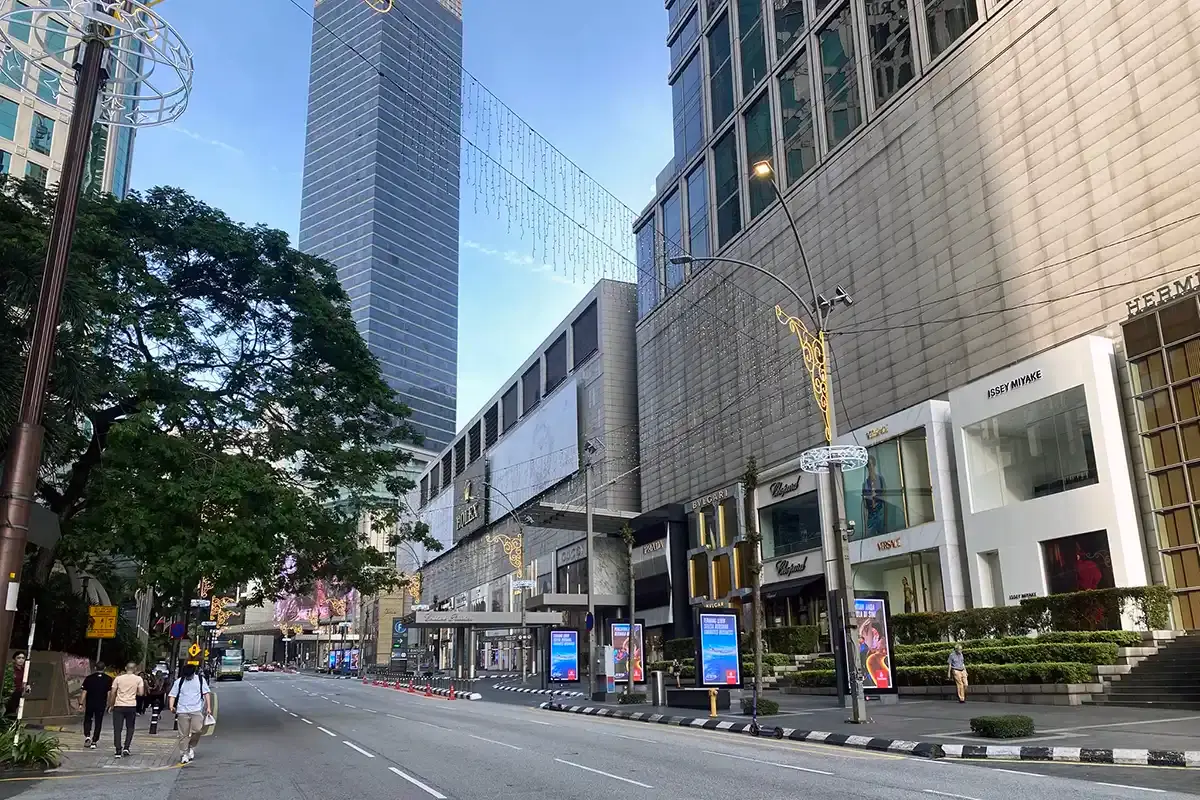
Bukit Bintang is one of Kuala Lumpur’s busiest and most energetic districts, known for its mix of shopping centres, cafés, street food stalls and entertainment options. It’s a popular base for Kuala Lumpur sightseeing, especially for travellers who enjoy staying in a lively, walkable area with plenty of dining choices.
During the day, visitors explore well-known malls such as Pavilion Kuala Lumpur, Lot 10 and Fahrenheit, or take a break in one of the many indoor cafés and dessert shops. The neighbourhood becomes even more vibrant at night, with bright lights, buskers, and a steady flow of people creating a fun and engaging atmosphere.
One of the highlights of the area is Jalan Alor, a famous food street lined with open-air restaurants and stalls serving noodles, seafood, satay, grilled dishes and local desserts. It’s an easy and enjoyable place to sample different Malaysian flavours in one visit.
Bukit Bintang connects conveniently to surrounding districts through covered walkways and public transport, making it a practical choice for travellers who want shops, food and nightlife within a short walk of their hotel.
Free Attractions in Kuala Lumpur
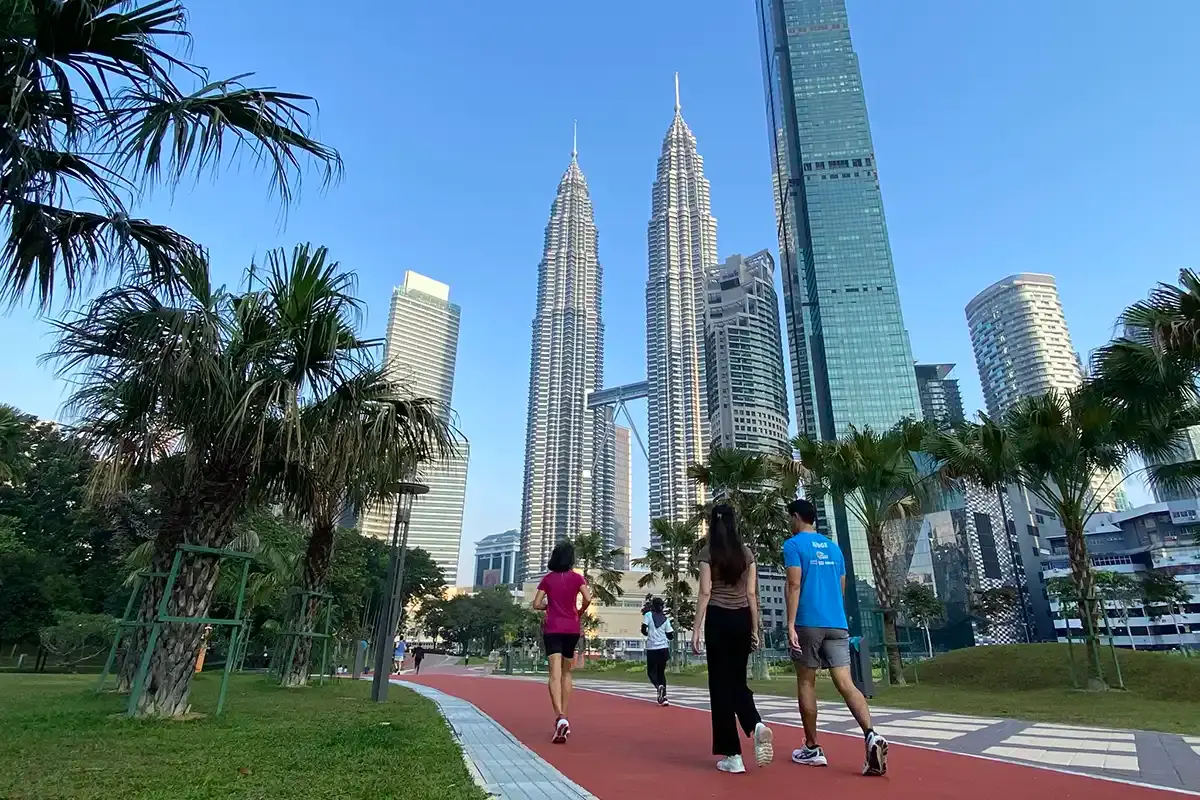
Kuala Lumpur offers a number of memorable attractions that are completely free to visit. These places are easy to include in your itinerary and provide a good balance of culture, nature and city experiences without affecting your budget.
Batu Caves
The temple complex is free to enter and remains one of Kuala Lumpur’s most photographed landmarks. Visitors can explore the colourful staircase, open courtyards and limestone surroundings without any admission fee.
KLCC Park
This central park provides shaded walking paths, lake views and open lawns directly below the Petronas Twin Towers. Many travellers stop here to rest between sightseeing or enjoy the evening fountain display.
Thean Hou Temple
Entry to this hilltop temple is free, allowing visitors to enjoy its colourful architecture, rooftop views and peaceful courtyards at their own pace.
Chinatown (Petaling Street)
Exploring the market streets and surrounding alleys is free and offers a lively mix of food stalls, heritage shophouses and cultural landmarks.
Merdeka Square
The large open field and surrounding colonial buildings create one of the city’s most scenic public spaces. It’s a pleasant area for walking and photography.
Masjid Jamek and River of Life
The mosque’s exterior and the nearby River of Life walkway provide a relaxing place to take photos and enjoy the blend of heritage and modern city scenery. Evening lighting along the river offers a nice atmosphere for a short stroll.
These locations are easy to reach and offer a meaningful look at Kuala Lumpur’s culture, history and outdoor spaces without any cost.
Best Photo Spots in Kuala Lumpur
Kuala Lumpur offers plenty of scenic locations for travellers who enjoy photography. The city’s mix of modern architecture, cultural landmarks and lively neighbourhoods creates a wide variety of angles and styles to capture during your visit.
Petronas Twin Towers from KLCC Park
The park provides some of the most recognisable skyline views in Kuala Lumpur. The lake area is especially popular for wide shots of the towers and reflections in the water, while the evening fountain display adds an extra touch for night photos.
Batu Caves Staircase
The colourful staircase leading into the limestone cave is one of the city’s most photographed spots. Morning light works particularly well here, bringing out the vibrant colours of the steps and reducing shadows.
Thean Hou Temple Rooftop
The temple’s lantern-lined courtyard and multi-tiered roofs create striking compositions. From the upper levels, you can capture both the ornate details and subtle city views in the background.
KL Tower Sky Box
The glass Sky Box offers a dramatic vantage point above the city, where photographers can frame the skyline beneath their feet. Clear days and sunset hours provide the best results.
Merdeka Square at Sunrise
Soft morning light highlights the colonial architecture surrounding the square, giving you a calm and atmospheric setting for photos before the city gets busy.
Bukit Bintang Street Scenes
Bright lights, food stalls and lively crowds make Bukit Bintang ideal for night photography and casual street shots. The vibrant atmosphere gives the area a distinct character after dark.
These locations provide a balanced mix of architectural, cultural and modern scenes, giving travellers plenty of opportunities to capture memorable images throughout their Kuala Lumpur trip.
How to Plan Your Visit to Kuala Lumpur’s Top Attractions
Kuala Lumpur is easy to explore once you understand how its main attractions are grouped. Many popular sights sit close to one another, while others are connected by efficient public transport or short Grab rides. Planning your day around these clusters helps you save time, avoid unnecessary backtracking and enjoy each attraction at a comfortable pace.
KLCC Cluster
This is an ideal starting point for first-time visitors. The Petronas Twin Towers, KLCC Park, Aquaria KLCC, Saloma Bridge and Suria KLCC are all connected through shaded walkways and indoor links, making the area extremely convenient. It’s simple to balance indoor and outdoor activities here, especially during hot afternoons.
Heritage Cluster
Merdeka Square, the Sultan Abdul Samad Building, St. Mary’s Cathedral and the old Kuala Lumpur Railway Station form the city’s historical core. These sights are located close together, making it easy to explore the area on foot while appreciating the colonial architecture and open public spaces.
Cultural Cluster
Chinatown, Thean Hou Temple and Little India Brickfields showcase Kuala Lumpur’s multicultural heritage. Each spot offers something distinct—temples, markets, food streets and colourful neighbourhood life. These areas are best enjoyed at a relaxed walking pace.
Nature & Parks Cluster
KL Forest Eco Park, KL Bird Park and Perdana Botanical Garden offer a refreshing break from the city. These spots work well in the morning or late afternoon, especially if you prefer quieter attractions and shaded outdoor spaces.
Half-Day Trip
Batu Caves sits outside the main city centre and is often paired with other nearby stops. Early morning is the most comfortable time to visit, particularly for climbing the staircase and taking photos.
Transport Tips
Kuala Lumpur offers several convenient ways to move between attractions, and choosing the right option can make your day run more smoothly.
- LRT, MRT and Monorail:
These train lines are reliable, affordable and well connected to major districts such as KLCC, Bukit Bintang, Chinatown and Little India. They are ideal for avoiding traffic during peak hours. - Grab (ride-hailing):
A popular choice for short distances or when travelling with family. Grab is widely available, comfortable and usually more convenient than negotiating taxi fares. - Private Tour:
A private tour is the most comfortable option for travellers who want a flexible schedule and direct hotel pick-up. It’s especially helpful for visiting Batu Caves, KL Tower and other attractions that are not located within the same cluster. A private tour also reduces walking and commuting time, making the day easier for families, seniors and first-time visitors. - Taxi:
Taxis are available throughout the city, but it’s best to choose reputable services or request one through your hotel. Metered taxis are recommended when possible. For longer journeys such as airport transfers or day trips outside Kuala Lumpur, pre-booked taxi services provide better comfort and clearer pricing. - Walking:
KLCC, Bukit Bintang and Chinatown are highly walkable areas. Shaded walkways connect many attractions, but comfortable shoes and light clothing are recommended, especially in the afternoon heat.
Suggested Flow for First-Time Visitors
- Day 1: KLCC attractions and Kuala Lumpur main attractions such as Thean Hou temple, Little India and Chinatown.
- Day 2: Batu Caves and Kuala Selangor Fireflies
- Day 3: Museum and park in Kuala Lumpur
This combination offers a balanced mix of modern highlights, cultural experiences, history and outdoor spaces.
FAQs About Attractions in Kuala Lumpur
Conclusion
Kuala Lumpur offers a balanced mix of modern landmarks, cultural neighbourhoods, historic sites and relaxing green spaces, making it an enjoyable city for first-time visitors. With a little planning and an understanding of how the main attractions in Kuala Lumpur are grouped, exploring the city becomes straightforward and rewarding.
Each area highlights a different part of the city—KLCC for skyline views and family-friendly spaces, Batu Caves for cultural significance, and Chinatown and Little India for local flavour. Merdeka Square provides a look into Malaysia’s history, while nature parks and walking-friendly districts add more variety to the best places to visit in Kuala Lumpur. Together, these Kuala Lumpur attractions give travellers plenty of ways to shape an itinerary that matches their interests and pace.
If you’d like more guidance on planning your trip, our Kuala Lumpur Travel Guide offers detailed tips on neighbourhoods, food, transport and itineraries. You can also explore our Kuala Lumpur Destination Hub for related guides that help you decide where to go and how to organise your time in the city.
With the right mix of experiences and a comfortable schedule, Kuala Lumpur becomes a memorable part of any Malaysia holiday—easy to explore, welcoming to visitors and full of attractions worth discovering.