Penang Destinations – Best Places & Local Experience


Penang, Malaysia, officially known as Pulau Pinang, is one of the country’s most rewarding travel destinations, known for its heritage streets, food culture, and relaxed island pace. It blends history, local flavours, and everyday life in a way that feels natural rather than staged. For travellers exploring other destinations across Malaysia, Penang often stands out as an easy place to experience culture, food, and scenery in a short time.
What makes Penang special is balance. It offers cultural depth without feeling overwhelming, great food without needing fine dining reservations, and sightseeing that works just as well at a relaxed pace. Whether you are travelling as a couple, with family, or on your own, Penang fits neatly into most Malaysia itineraries.
At the heart of the island is , a UNESCO-listed historic city that anchors Penang’s identity. Around it, you will find hills, beaches, temples, and neighbourhoods that show different sides of local life.
This page gives you a clear overview of Penang and helps you decide where to go next as you plan your trip.
Where Is Penang and why Visit?
Penang is located on the northwest coast of Peninsular Malaysia, facing the Andaman Sea. It consists of Penang Island and a mainland section known as Seberang Perai, connected by bridges and ferry services. Most visitors stay on the island, where attractions, food, and accommodation are concentrated.
Many travellers choose Penang because it offers something different from Kuala Lumpur. The pace is slightly slower, the streets feel more walkable, and the cultural layers are visible in daily life. Penang is also widely known as Malaysia’s food capital, which alone makes it worth visiting.
If you enjoy destinations where history, culture, and local food come together without heavy travel logistics, Penang is a strong choice.
Top Places to Visit in Penang
Penang offers a wide range of attractions, from heritage streets and hilltop views to temples and coastal areas. Instead of focusing on just one type of experience, most visitors enjoy mixing culture, scenery, and everyday local life over a few days.
Below is an overview of some of the most popular places to visit in Penang. This section is meant to give you a sense of what’s available. Each area is covered in more detail in our dedicated places-to-visit guide.
Heritage and Cultural Areas
Penang’s heritage and cultural areas are centred in and around George Town, where historic streets, traditional shophouses, and places of worship sit close together. These areas reflect the island’s multicultural roots and are best explored on foot at an unhurried pace.

George Town
The historic heart of Penang and a UNESCO World Heritage Site, George Town is known for its colonial-era buildings, street art, clan houses, temples, and cafés set inside restored shophouses. It’s best explored on foot at a relaxed pace.
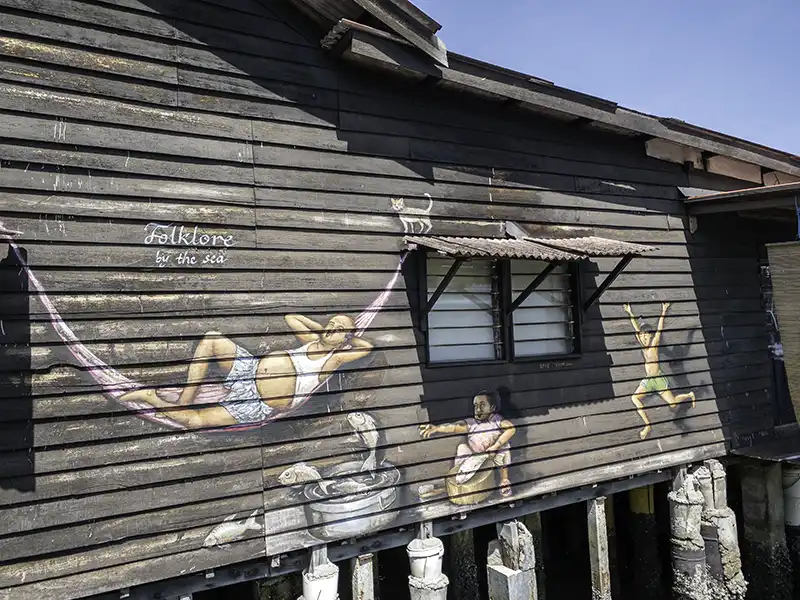
Clan Jatties
These traditional wooden settlements built over the water reflect Penang’s early Chinese communities. Each jetty has its own character, offering visitors a glimpse into everyday life along the waterfront and the island’s trading history.
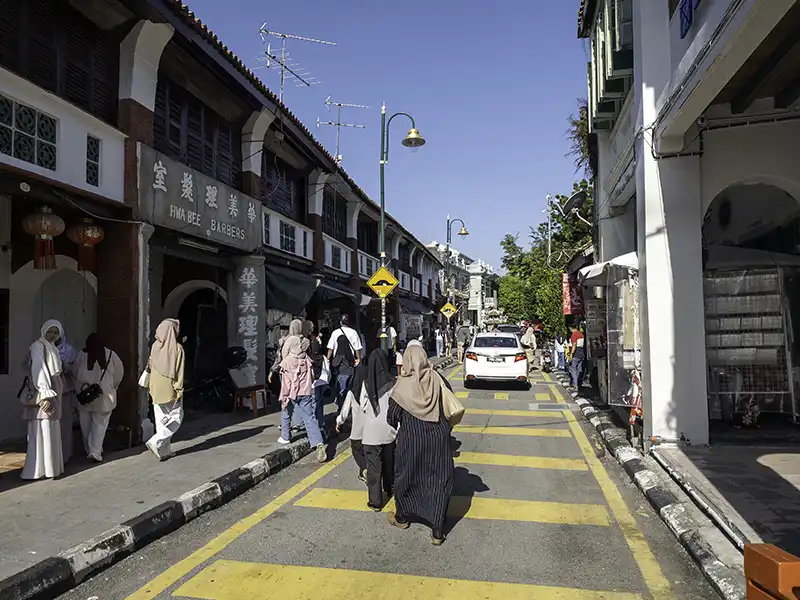
Armenien Street & George Town Heritage Core
A walkable heritage area within George Town, centred around Armenian Street and nearby historic lanes. This area is known for street art, clan houses, traditional shophouses, and culturally significant streets that reflect Penang’s multicultural past.
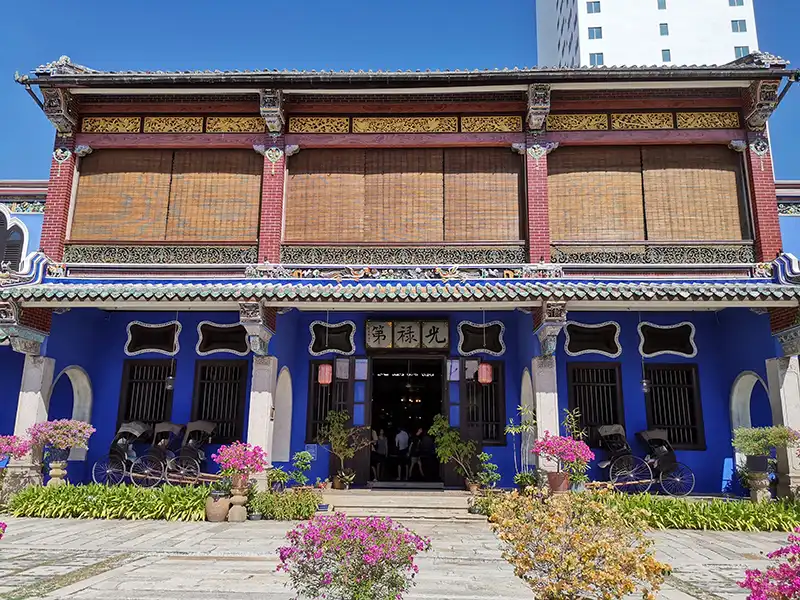
Cheong Fatt Tze Mansion
Also known as the Blue Mansion, this beautifully restored heritage home showcases traditional Chinese architecture blended with colonial influences. Visiting offers insight into Penang’s mercantile past and the lifestyle of prominent figures from the late 19th century.
Hills, Nature, and Scenic Spots
Beyond the city streets, Penang offers pockets of greenery and elevated viewpoints that provide a break from the coastal heat. These scenic areas are ideal for travellers who enjoy nature, fresh air, and panoramic views, often combined with light walking or short visits.
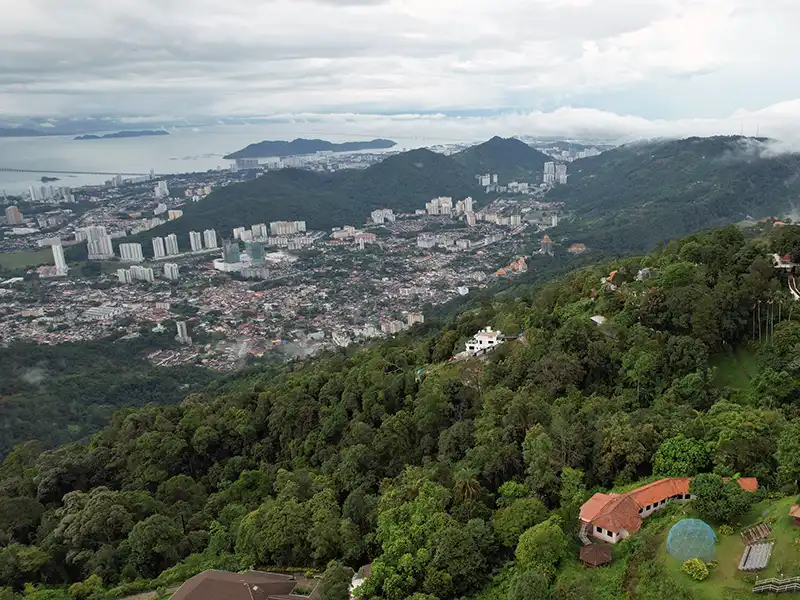
Penang Hill
Located above the city, Penang Hill offers cooler temperatures, sweeping views of the island, and gentle walking paths. The funicular railway ride adds to the experience, making it a popular escape from the heat of George Town.
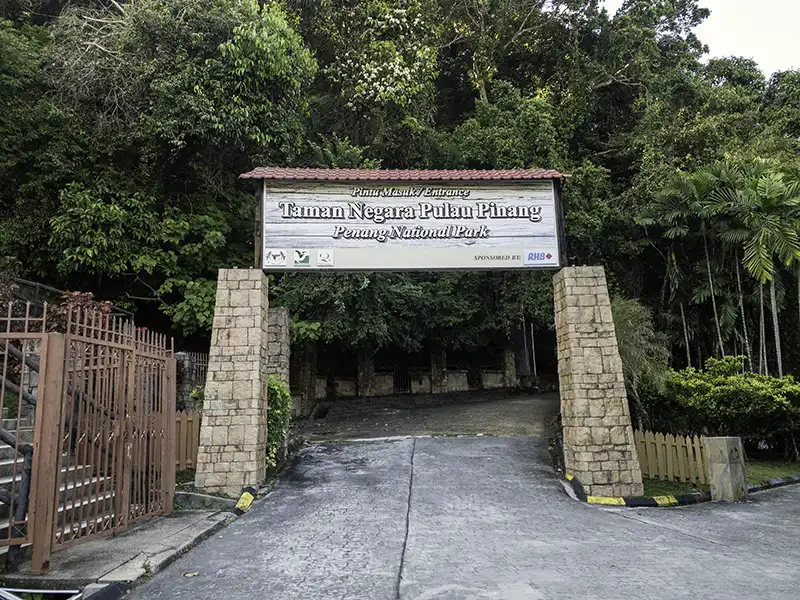
Penang National Park
One of the smallest national parks in Malaysia, this protected area features coastal forests, quiet beaches, and short hiking trails. It’s ideal for travellers looking to combine nature, light adventure, and scenic viewpoints within a half-day visit.
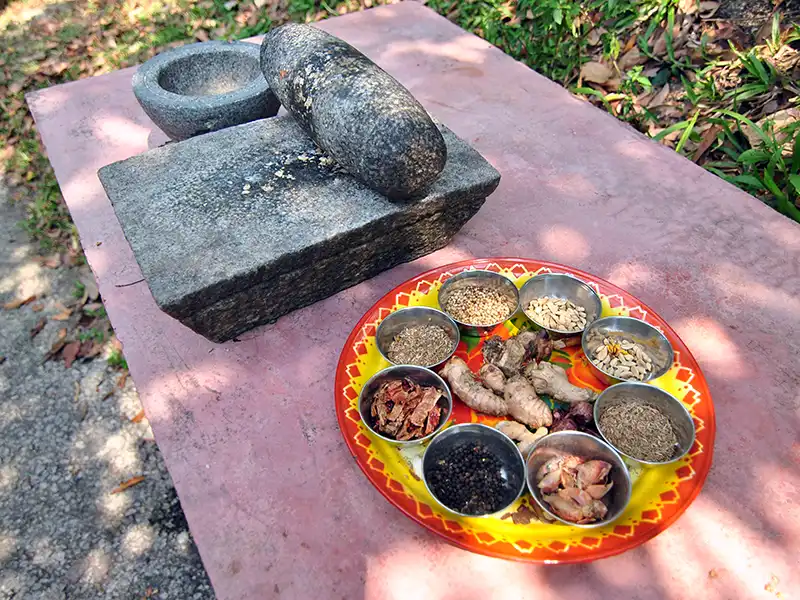
Topical Spice Garden
This landscaped garden introduces visitors to a wide variety of tropical spices, herbs, and plants. Well-marked paths and guided tours make it an easy and educational stop, especially for those interested in food and natural history.
Temple and Religious Landmarks
Penang is home to a wide range of religious landmarks that reflect its diverse communities. From hillside temples to neighbourhood shrines, these sites offer insight into local beliefs, architecture, and long-standing traditions that remain part of daily life.

Kek Lok Si Temple
One of Southeast Asia’s largest Buddhist temple complexes, Kek Lok Si sits on a hillside overlooking the town of Air Itam. Its layered architecture, pagodas, and statues make it both a spiritual site and a cultural landmark.
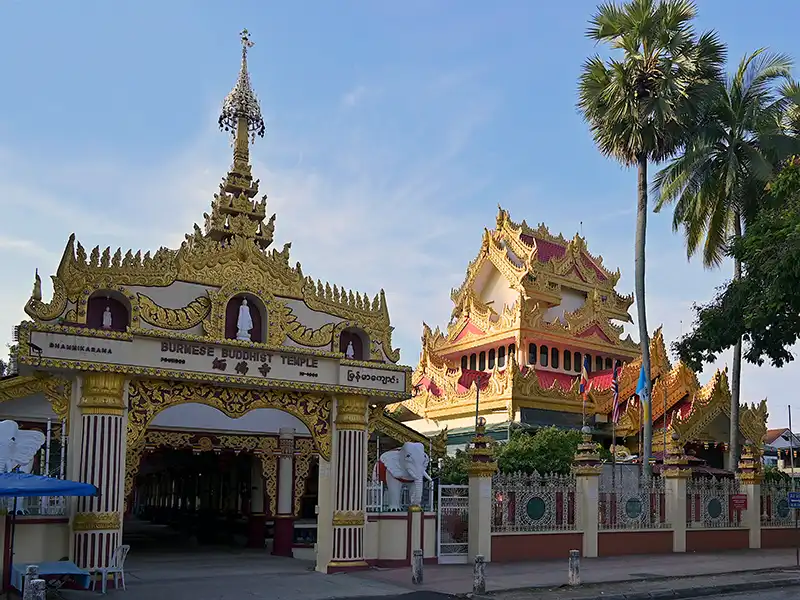
Dharmikarama Burmese Temple
A peaceful Buddhist temple known for its traditional Burmese design and calm atmosphere. It offers a quieter alternative to larger temple complexes and is often visited together with nearby religious sites in the same area.
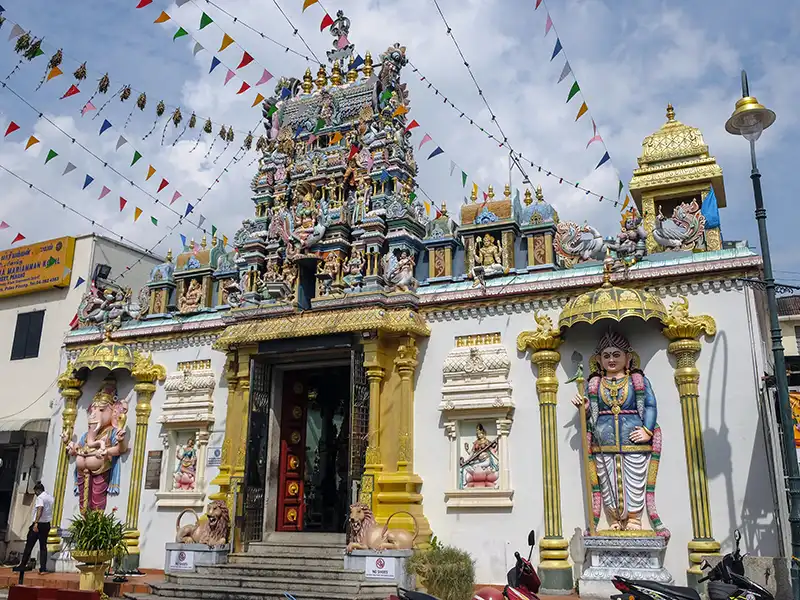
Sri Mahamariamman Temple
One of Penang’s oldest Hindu temples, this colourful landmark features intricate carvings and vibrant sculptures. It plays an important role in local religious life and is especially lively during major Hindu festivals.
Beach and Coastal Area
Penang’s coastal areas offer a more relaxed atmosphere compared to the city centre. While the beaches are not the main focus of the island, these areas are popular for seaside stays, evening walks, and casual dining by the coast.
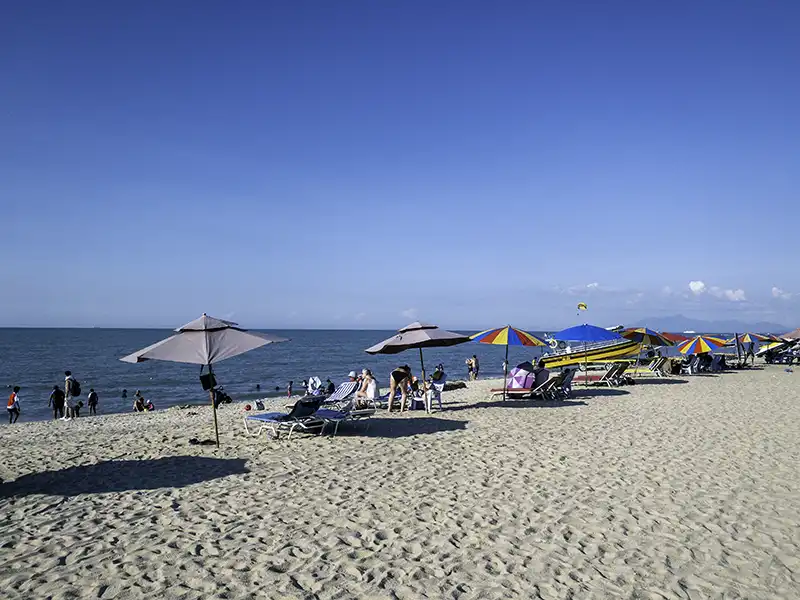
Batu Feringgi
Penang’s most popular beach area, Batu Ferringhi is lined with resorts, cafés, and casual restaurants. Evenings are livelier thanks to night markets and seaside dining, making it a relaxed stop after daytime sightseeing.
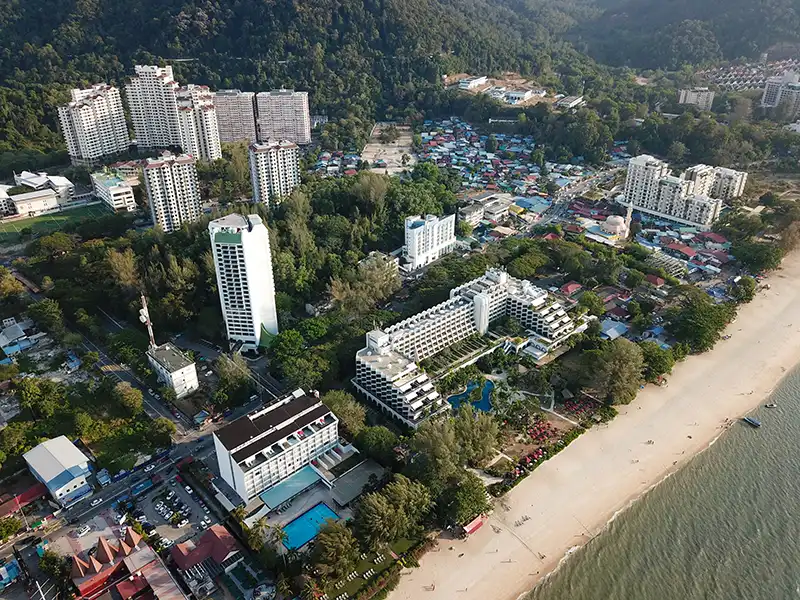
Teluk Bahang
A quieter coastal area near Penang National Park, Teluk Bahang appeals to travellers looking for a slower pace. It serves as a gateway to nature attractions and is less crowded than Batu Ferringhi.
Things To Do in Penang
Beyond sightseeing, Penang is a destination where experiences matter. Many visitors enjoy simply exploring on foot, especially in heritage areas, but there are also structured activities worth considering.
Popular things to do in Penang include heritage walking tours, street food exploration, visiting local markets, and enjoying evening strolls through historic neighbourhoods. Nature lovers can explore parks and light hiking trails, while families often look for interactive museums and open-air attractions.
For a curated list of activities and experiences, see our detailed guide on things to do in Penang.
Penang Food and Street Food Scene
Food is one of the main reasons people fall in love with Penang. The island’s hawker culture reflects its multicultural roots, combining Malay, Chinese, Indian, and Peranakan influences. Meals are often casual, affordable, and full of character.
You will find some of the best food in simple hawker centres, roadside stalls, and neighbourhood coffee shops. Eating in Penang is less about formal dining and more about following local routines, which makes the experience feel authentic.
If food is a big part of your travel plans, our Penang food guide breaks down what to eat, where to eat, and how to approach the local dining scene.
How Many Days To Spend in Penang
The ideal length of stay in Penang depends on how deeply you want to explore.
A two-day stay works well for seeing the main highlights, especially George Town and one or two major attractions. Three days allows for a more relaxed pace, adding food exploration and scenic spots like Penang Hill or the coast. With four days or more, you can explore quieter neighbourhoods, beaches, and nature areas without rushing.
If you are deciding how Penang fits into a wider Malaysia itinerary, itinerary-based planning can help you balance time across destinations. Some travellers reach Penang as the final stop of an overland journey from Kuala Lumpur, passing through Taman Negara for rainforest experiences and Ipoh for heritage and food before continuing north.
Getting Around Penang
Getting around Penang is generally easy, but the best option depends on where you are staying and how far you plan to travel.
If you are staying within George Town, walking is often the most practical way to explore. Many attractions are clustered close together, and the roads in the heritage area are narrow. Walking allows you to move easily between street art lanes, temples, cafés, and historic buildings without worrying about traffic or parking.
If you are staying outside George Town, such as Batu Ferringhi, Tanjung Bungah, Bayan Lepas, or near the airport, you will need transport to reach the city. Public buses connect most areas of the island and are budget-friendly, though journeys can be slower during peak hours. Ride-hailing services like Grab are widely used and convenient, especially for visitors unfamiliar with local routes. Taxis are available but less commonly used than e-hailing.
Renting a car offers flexibility if you plan to explore beaches, hill areas, or rural parts of Penang. However, traffic congestion and limited parking can be challenging in George Town, particularly on weekends and public holidays.
For most travellers, the most efficient approach is to walk within George Town and use ride-hailing or buses for longer distances.
More detailed transport options and planning tips are covered in our guide to getting around Penang.
Is Penang Worth Visiting for First-Time Travellers?
For first-time visitors to Malaysia, Penang is absolutely worth considering. It offers cultural depth without feeling complicated and complements time spent in Kuala Lumpur, especially for travellers who want a contrast between city life and a more relaxed island setting. Penang is also easy to navigate, which helps visitors feel comfortable quickly.
Travel logistics are also straightforward. Many first-time travellers move between the two cities by road, and some choose a direct transfer from Kuala Lumpur to Penang, with the option to stop along the way in Ipoh or at Orang Utan Island. This makes it easier to experience more of Malaysia without navigating multiple transport changes.
If you enjoy destinations where you can explore independently, eat well without planning every meal, and learn about local history through everyday surroundings, Penang delivers a rewarding and approachable travel experience.
Penang Travel Tips
- Dress modestly when visiting temples and religious sites
- Expect warmer weather year-round, with occasional rain showers
- Carry some cash for hawker stalls and small shops
- Weekends can be busier, especially in George Town and Batu Ferringhi
- Early mornings and late afternoons are best for sightseeing
Explore More Penang
To plan your trip in more detail, continue with these guides:
- Penang Travel Guide
- Places to Visit in Penang
- Things to Do in Penang
- Penang Food Guide
- Getting Around Penang
Each guide goes deeper into specific topics and helps you plan your time more confidently.
Frequently Asked Questions About Penang
Conclusion: Is Penang Right for Your Malaysia Trip?
Penang is a destination that rewards travellers who enjoy exploring at a comfortable pace. It combines culture, food, history, and everyday local life in a way that feels natural and approachable, even for first-time visitors. You do not need a packed itinerary to enjoy it. A few well-chosen experiences, good food, and time to wander often leave the strongest impressions.
As part of a wider Malaysia trip, Penang works especially well when paired with places like Kuala Lumpur or the Cameron Highlands. It adds depth and contrast without increasing travel stress. Whether you stay for a short visit or a few relaxed days, Penang offers enough variety to make the journey worthwhile.
If you are still planning, the guides linked above will help you decide where to go, how long to stay, and how to shape your time in Penang based on your travel style.