Malaysia Travel Guide – Essential Information for First-Time Visitors

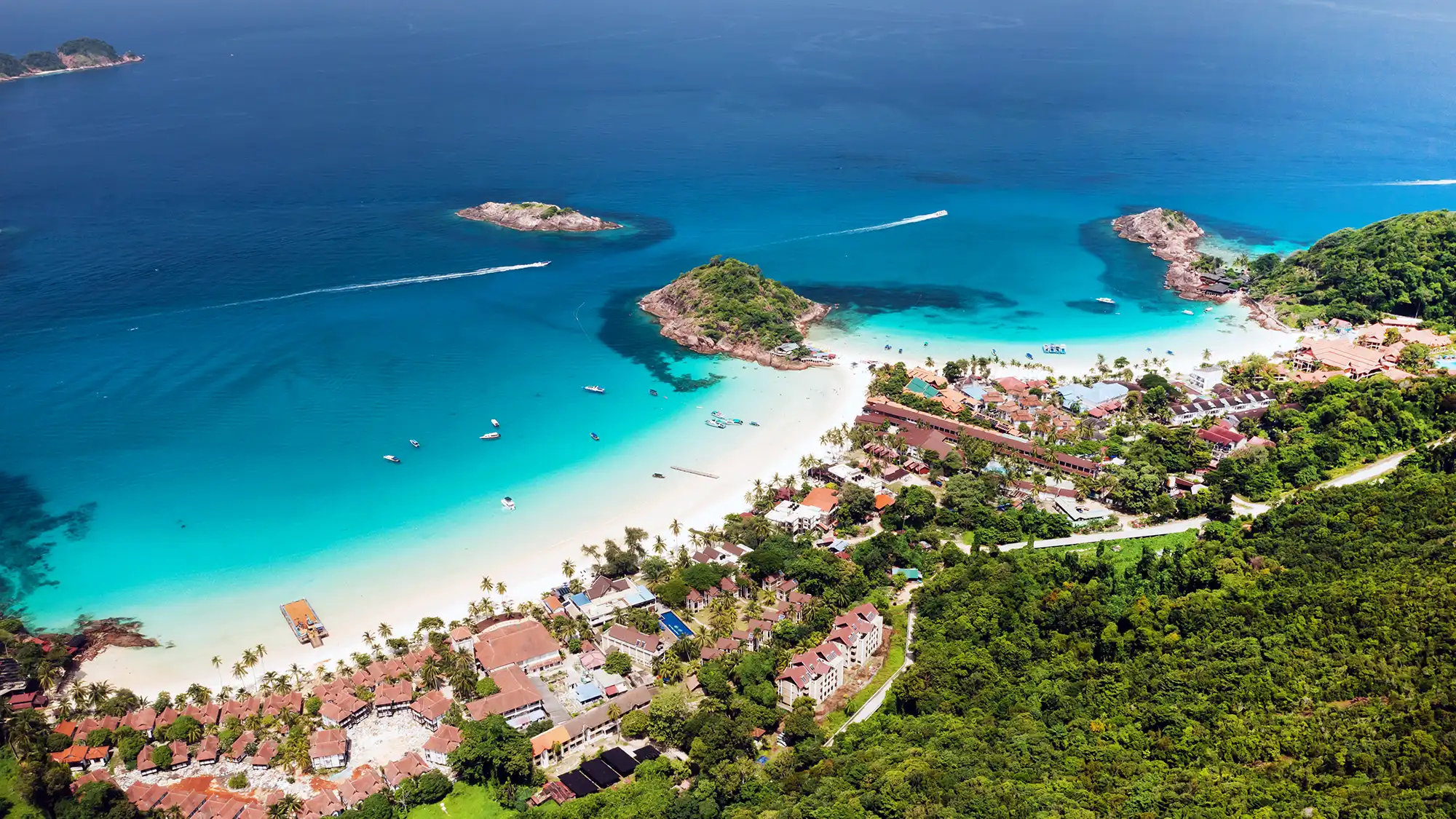
Planning a trip to Malaysia can feel exciting and slightly overwhelming at the same time. The country offers modern cities, cooler highlands, ancient rainforest, and a mix of cultures that often surprises first-time visitors. What usually raises questions is not what to see, but how everything fits together in a realistic and comfortable trip.
This Malaysia travel guide is written to help you understand the country before you start locking in routes, hotels, or transport. It focuses on the practical side of planning. How much time you need, how travel works between regions, what kind of experience different areas offer, and what to expect on the ground as a visitor.
Rather than listing attractions, this guide gives you context. It explains how Malaysia is structured, why many travellers combine cities with nature, and how to plan a trip that feels balanced instead of rushed. If this is your first visit, the goal is simple. Help you make confident decisions and avoid common planning mistakes.
Once you have a clear picture from this guide, choosing the right itinerary and destinations becomes much easier.
Why Visit Malaysia?
What makes Malaysia Unique for Travellers
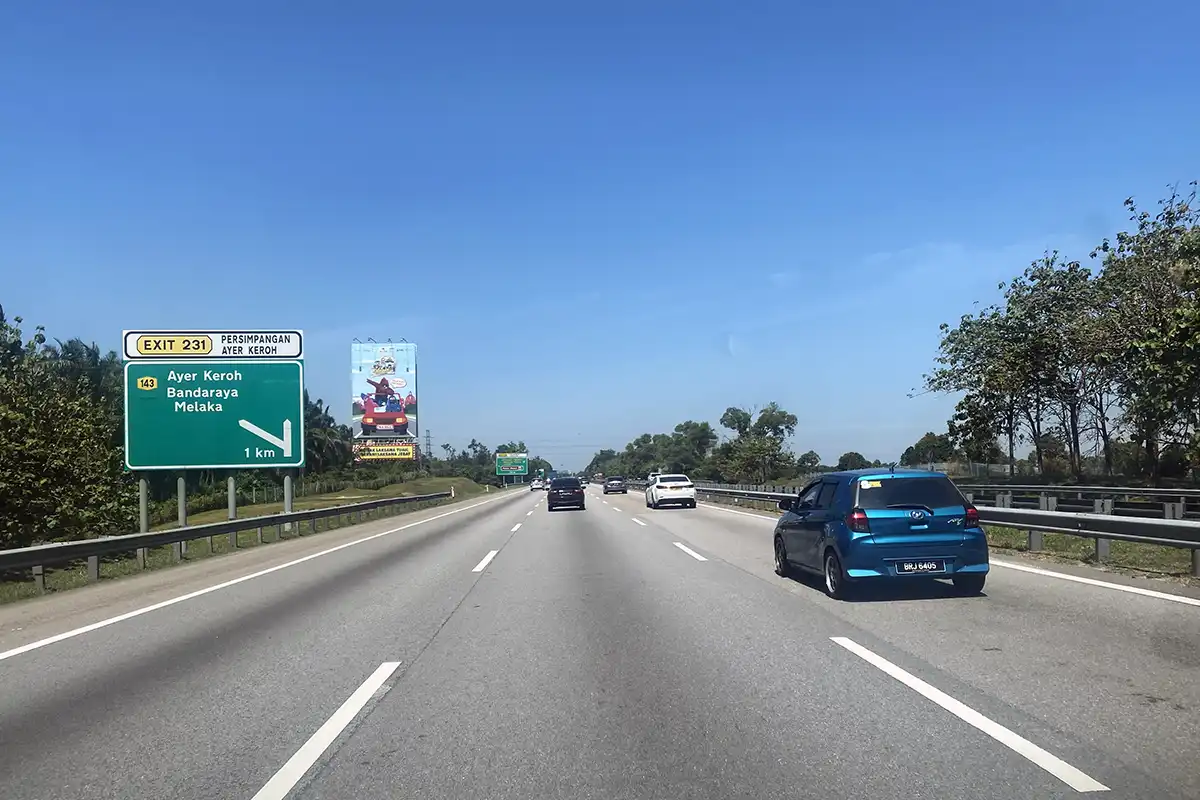
Malaysia stands out because variety comes naturally, not as a long-distance effort. Within a single trip, you can move from a modern capital city to cooler hill regions, then on to rainforest or coastal areas, all without crossing borders or dealing with major cultural shifts. Travel times are reasonable, infrastructure is reliable, and English is widely spoken, which removes a lot of friction for visitors.
Another quiet advantage is how approachable the country feels. Public spaces, transport systems, and daily life are easy to read, even if you have never visited Southeast Asia before. For many travellers, this balance between familiarity and discovery is what makes Malaysia appealing.
Who Malaysia is Best Suited for
Malaysia works particularly well for people visiting Southeast Asia for the first time. It suits travellers who want cultural exposure without feeling overwhelmed, and those who prefer clear logistics rather than complicated routing. Couples, families, and older travellers often find the pace comfortable, while independent travellers appreciate how easy it is to move around.
It also fits travellers who enjoy structure but still want flexibility. You can follow a clear plan, or adjust along the way without major disruption. This makes Malaysia a practical choice for shorter trips as well as longer, multi-day journeys.
Malaysia as a Balance of Cities, Nature, and Culture
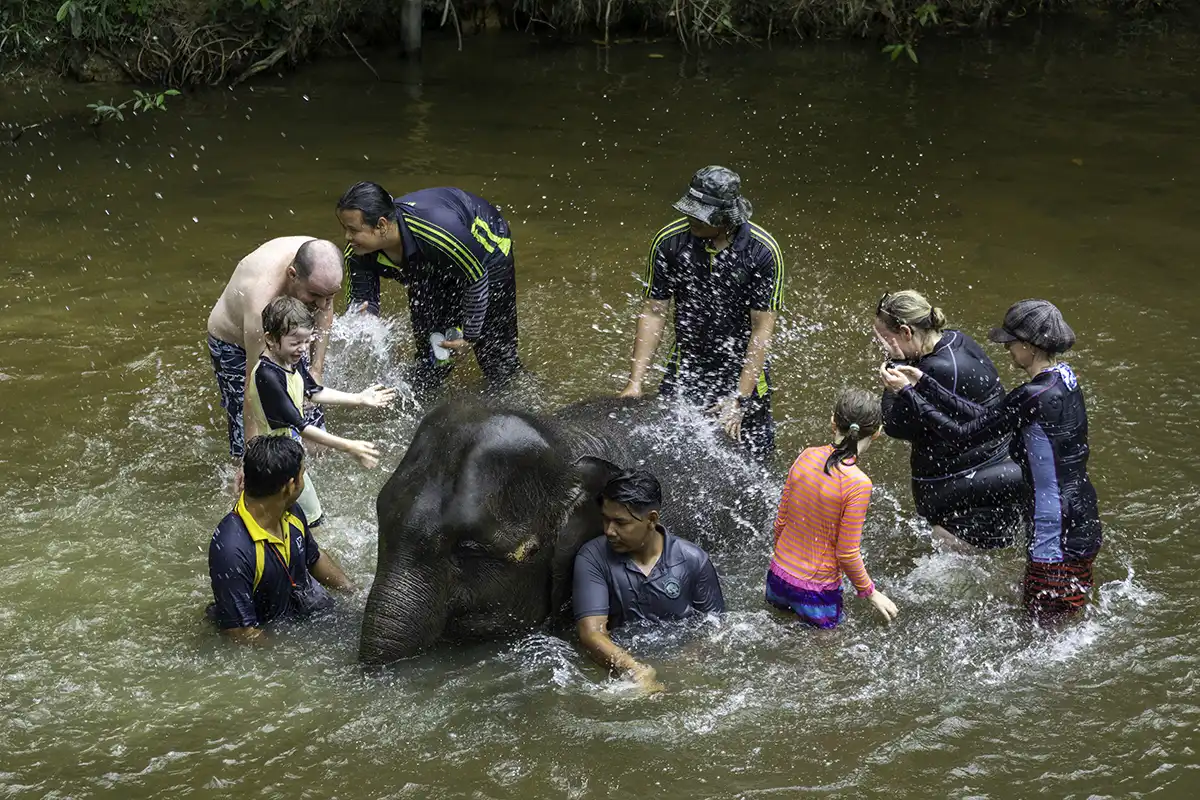
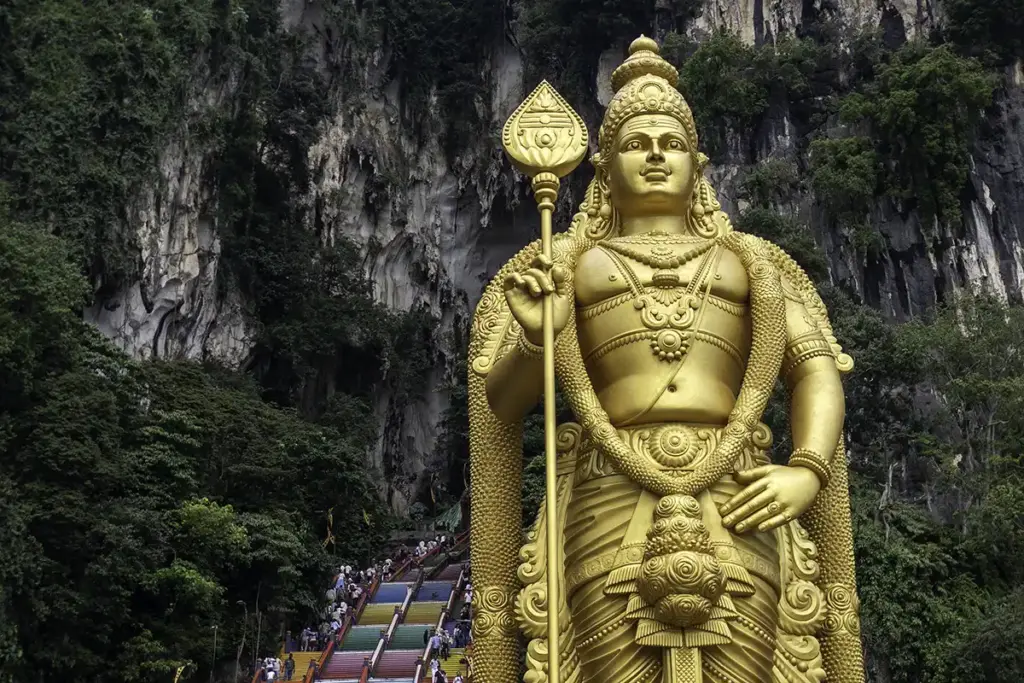
One of Malaysia’s strengths is how well different experiences connect. Cities are not isolated from nature, and cultural sites are part of everyday life rather than separate tourist zones. It is common to spend time in an urban setting, then reach tea-covered hills or rainforest areas within a few hours by road.
For visitors planning their first trip, this balance helps avoid extremes. You are not limited to city sightseeing, and you do not need to commit fully to remote travel either. Instead, Malaysia allows you to combine modern comfort, natural landscapes, and cultural depth in a way that feels natural and manageable.
Planning a Trip to Malaysia
What to Know Before Visiting Malaysia
When you plan a trip to Malaysia, it helps to understand how travel works on a day-to-day level. Distances are manageable, roads are generally in good condition, and domestic transport is well established. English is commonly used in hotels, transport hubs, and restaurants, which makes communication straightforward for most visitors.
Malaysia is culturally diverse, and that diversity shows up in food, festivals, and daily routines. Visitors are not expected to know everything in advance, but being aware of basic customs, such as dress standards in religious sites or how public holidays affect travel, makes the experience smoother. These small details are part of the travel essentials that are easy to overlook but make a real difference once you arrive.
How many days do you need in Malaysia?
The number of days you need depends less on distance and more on pace. A short visit of three to four days works well if you plan to stay mainly in one area, such as a major city. With seven days, it becomes realistic to combine urban areas with highlands or nature-based destinations.
Ten days or more allows for a slower journey that connects multiple regions without rushing. For Malaysia trip planning, it is better to allow fewer places with enough time in each, rather than trying to see everything in one go. Travel between regions often takes longer than expected once breaks, traffic, and check-in times are factored in.
If you want a clearer idea of how different trip lengths work in practice, our Malaysia itinerary guide breaks down realistic routes for shorter stays as well as slower, multi-day journeys.
Is Malaysia Suitable for First-time Travellers?
Malaysia is often recommended for travellers visiting Southeast Asia for the first time, and for good reason. The country offers a gentle introduction to the region, combining familiar comforts with cultural depth. Public transport, accommodation standards, and healthcare services are reliable, which helps visitors feel confident as they move around.
What also sets Malaysia apart is how approachable its cultural experiences are. Many activities are well organised, guided, and designed to be welcoming rather than overwhelming. First-time visitors can engage with local traditions, food, and everyday life at a comfortable pace, without feeling pressured or out of place.
For new travellers to the region, Malaysia provides clarity rather than complexity. Routes are easy to understand, services are clearly structured, and the learning curve is not steep. This makes it a practical starting point for those who want meaningful experiences while still feeling supported throughout their journey.

Understanding Malaysia’s Regions

Peninsular Malaysia Overview
Most first-time visitors spend their time in Peninsular Malaysia, where the country’s main cities, transport networks, and well-known travel routes are concentrated. This is where you will find Kuala Lumpur, historic towns, cooler highland areas, and several national parks, all connected by relatively short road journeys.
For travel planning, Peninsular Malaysia is straightforward. Roads are good, travel times are predictable, and moving between states does not require major logistical effort. This makes it ideal for travellers who want to combine different experiences without constantly changing flights or accommodations.
East Malaysia and Malaysian Borneo (Sabah & Sarawak)
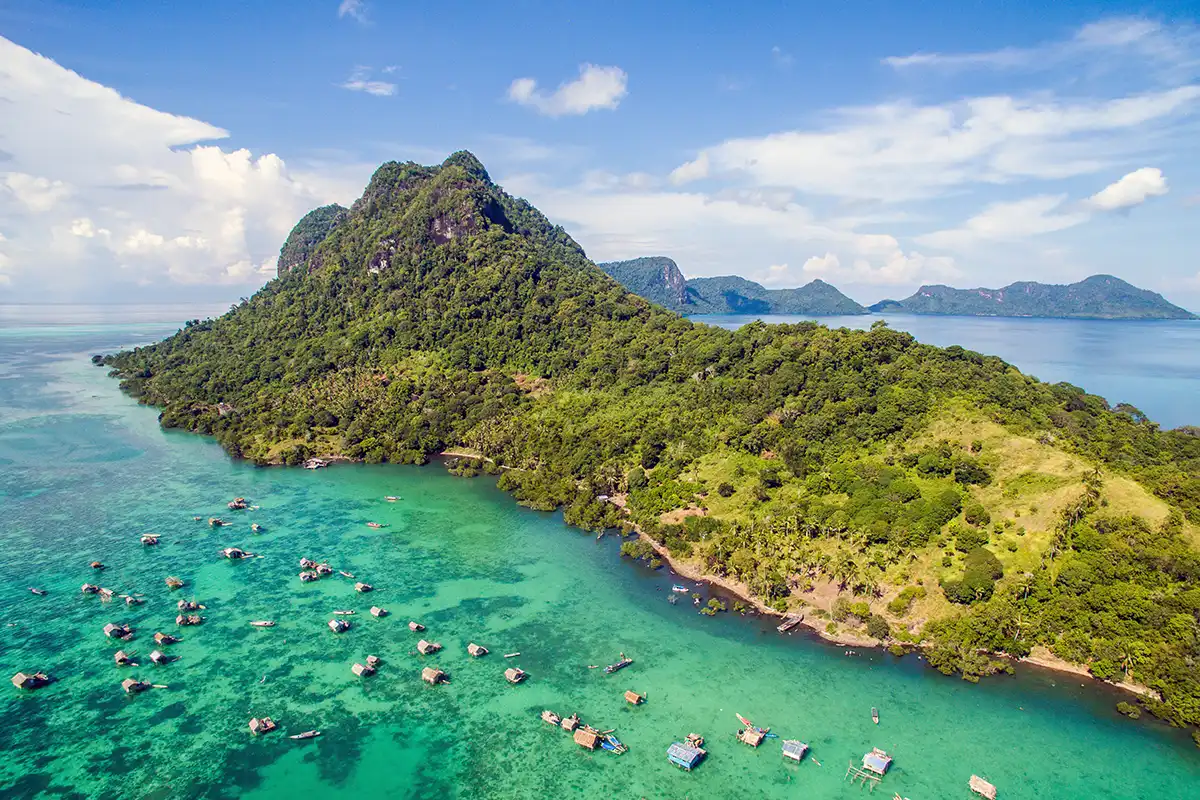
East Malaysia, often referred to as Malaysian Borneo, includes the states of Sabah and Sarawak. This region is known for its rainforest landscapes, wildlife experiences, and indigenous cultures.
Travel here feels different from the peninsula. Distances are larger, flights are usually required, and itineraries tend to focus more on nature-based experiences. While rewarding, East Malaysia often suits travellers with more time or a specific interest in rainforest, trekking, or wildlife rather than those on a first short visit.
How regions affect travel pace and routing
Understanding Malaysia’s regions helps set realistic expectations for travel pace. Peninsular routes allow for overland journeys that link cities, highlands, and nature areas smoothly. This makes multi-day itineraries easier to manage without rushing.
East Malaysia, on the other hand, is better planned as a separate journey rather than an extension of a short peninsula trip. Mixing both regions in a limited timeframe can feel compressed. For most first-time travellers, focusing on one region leads to a more balanced and enjoyable experience, with routing that feels intentional rather than forced.
Travellers who want a clearer picture of what each region offers can explore our overview of [destinations in Malaysia ]()before deciding which areas suit their trip.
Best Time to Visit Malaysia
Malaysia weather explained simply
When people ask about the best time to visit Malaysia, they are usually thinking about weather first. Malaysia has a tropical climate, which means warm temperatures year-round with regular rainfall. There are no four seasons in the usual sense. Instead, travel conditions change slightly depending on rainfall patterns rather than temperature.
For most travellers, the key point is this: weather rarely stops travel completely. Rain often comes in short bursts, usually in the afternoon or evening, and many days remain suitable for sightseeing, travel, and outdoor activities.
Monsoon season vs dry season
Malaysia experiences different monsoon patterns depending on the region. The main monsoon season generally falls between late autumn and early spring, bringing heavier rainfall to parts of the country. This does not mean constant rain, but it can affect sea conditions, jungle activities, and travel schedules in certain areas.
The drier months tend to feel easier for moving around, especially for overland travel and nature-based plans. That said, travelling during the wetter months often comes with fewer crowds and more flexible availability, which some visitors prefer.
When crowds and prices are highest
Crowds and prices in Malaysia are influenced more by school holidays and festivals than by weather alone. Peak periods include major public holidays, year-end travel, and regional school breaks, when accommodation prices rise and popular routes become busier.
For travellers looking for a balance, shoulder periods often work well. You still get generally good conditions, but with fewer people and better value. Timing your visit with this in mind helps keep your itinerary comfortable rather than rushed.
Getting Around Malaysia
Transport in Malaysia at a glance
Getting around Malaysia is generally straightforward, especially on the peninsula where transport networks are well developed. Major cities are connected by highways, intercity buses, and trains, while domestic flights link more distant regions. Ride-hailing services are widely used in urban areas, making short-distance travel simple and predictable.
For visitors, the main consideration is not availability but choosing the right mode of transport for the type of trip you are planning. Each option works best in different situations, depending on time, distance, and comfort level.
Overland travel vs domestic flights
Overland travel in Malaysia suits travellers who want to see how places connect. Road journeys allow you to move gradually between cities, highlands, and nature areas, often with opportunities to stop along the way. This approach works especially well in Peninsular Malaysia, where distances are manageable and routes are clear.
Domestic flights are more practical when covering longer distances or travelling to East Malaysia. They save time, but they also break the flow of a trip and usually involve more fixed schedules. For multi-day journeys within the peninsula, overland travel often feels more relaxed and cohesive.
Is Malaysia easy to travel without a car?
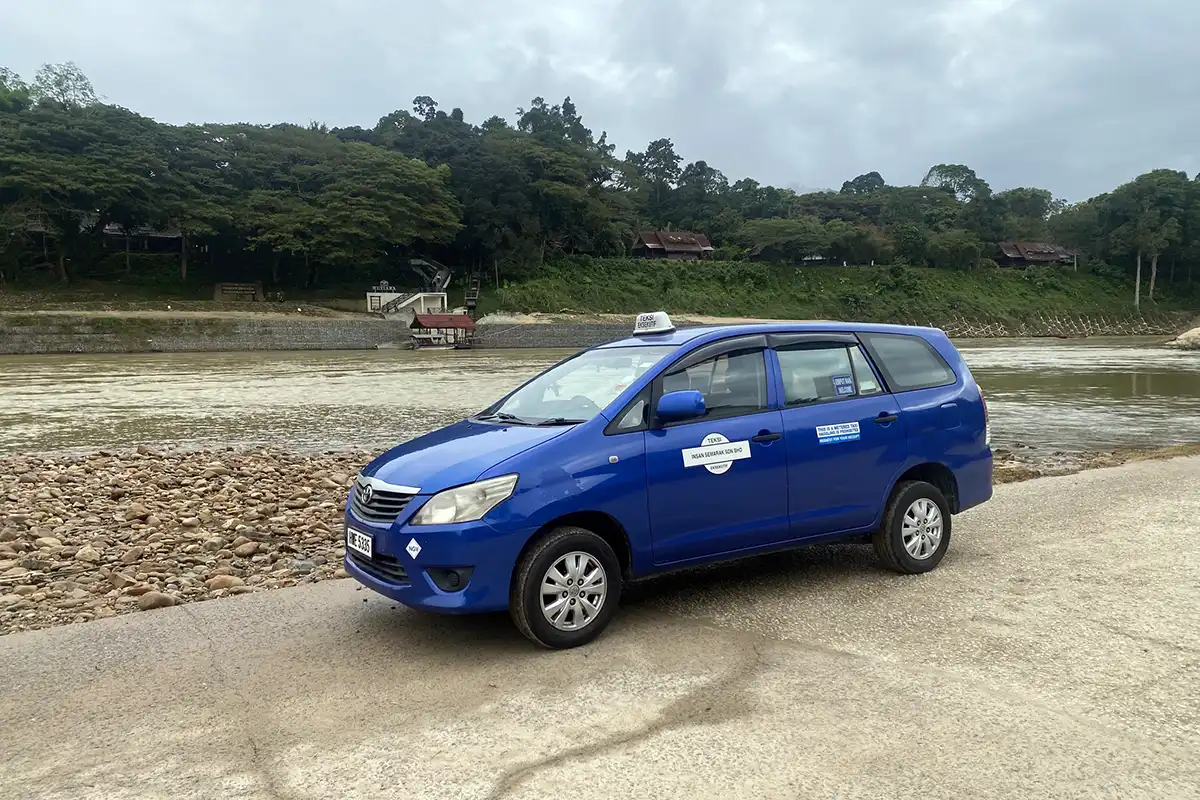
Yes, Malaysia is easy to travel without driving yourself, particularly for first-time visitors. Public transport and private transfer options cover most common routes, and organised transport is widely available between major destinations.
Travelling without a car also removes the stress of navigation, parking, and unfamiliar road rules. For many visitors, this makes the experience more comfortable, especially when combining several destinations into a single itinerary.
Malaysia Travel Costs and Money Tips
Is Malaysia Expensive for Tourists?
Malaysia is often seen as good value compared to many long-haul destinations. Travel costs can vary depending on comfort level and travel style, but day-to-day expenses such as food, transport, and basic services are generally reasonable. Visitors can manage their budget comfortably without needing to compromise on safety or convenience.
For most travellers, the bigger cost differences come from accommodation choices and travel pace rather than essentials. Planning a realistic route and avoiding unnecessary backtracking helps keep overall Malaysia travel cost under control.
Currency, Cash, and Card Usage
The local currency is the Malaysian Ringgit. Cards are widely accepted in cities, shopping centres, and hotels, while cash remains useful in smaller towns, local eateries, and markets. ATMs are easy to find across the country, so carrying large amounts of cash is rarely necessary.
When it comes to cash vs card in Malaysia, a mix of both works best. Having some cash on hand offers flexibility, while card payments cover most regular expenses without issue.
Tipping Culture in Malaysia
Tipping is not a standard practice in Malaysia. Service charges are often included in restaurant bills and hotel services, and staff do not expect additional tips. That said, rounding up a bill or offering a small tip for exceptional service is appreciated but never required.
For travellers, this removes uncertainty around daily spending. You can focus on enjoying the experience without worrying about complex tipping rules or expectations.
Culture, Customs, and Local Etiquette
Understanding Malaysian Culture
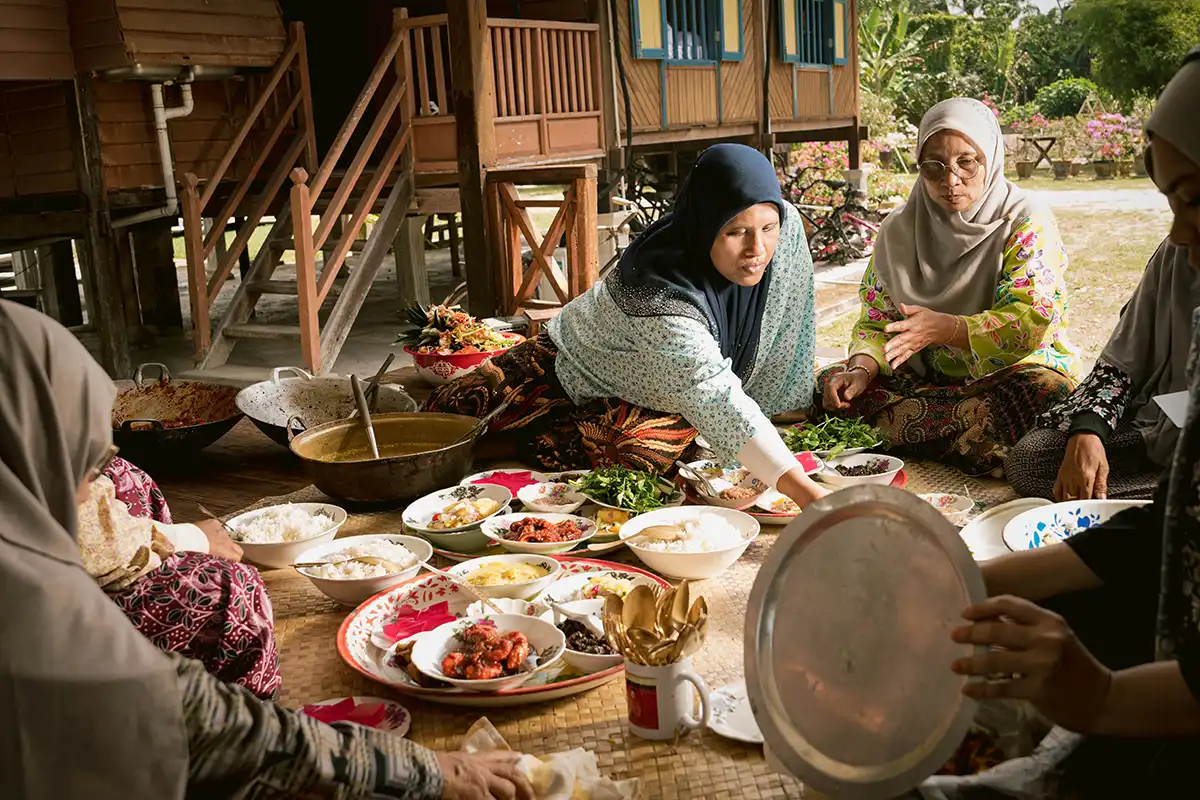
Malaysian culture is shaped by a mix of Malay, Chinese, Indian, and indigenous traditions, and this diversity is reflected in daily life rather than separated into distinct areas. Different religious practices, languages, and customs exist side by side, often within the same neighbourhood. For visitors, this creates a rich but generally easy environment to navigate.
People are polite and indirect in communication, and public interactions tend to be calm. Showing patience and courtesy goes a long way, especially in shared spaces. Understanding this aspect of Malaysian culture helps visitors feel more at ease and avoid misunderstandings.
Dress Code and Respectful Behaviour
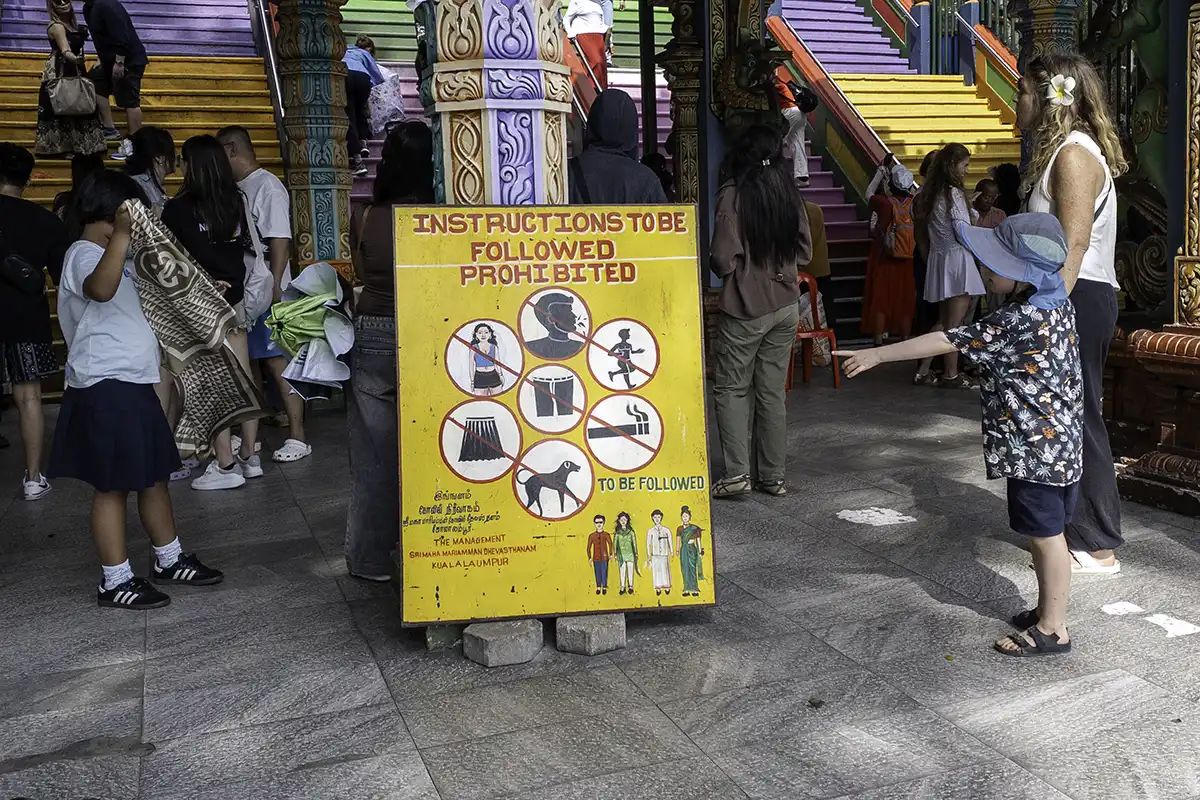
Dress standards in Malaysia are relaxed in most public areas, but modesty is important in certain settings. When visiting mosques, temples, or rural communities, clothing that covers shoulders and knees is expected. This is less about strict rules and more about showing respect.
Simple behaviour also matters. Removing shoes before entering religious buildings or private homes, speaking softly in sacred spaces, and following local guidance are all part of everyday cultural etiquette in Malaysia. Visitors are not expected to be perfect, but awareness is appreciated.
What Travellers Should Avoid Doing
There are a few common behaviours that travellers should avoid to ensure a smooth experience. Public displays of anger or confrontation are generally frowned upon. Touching someone’s head, pointing with feet, or handling religious objects casually can also be seen as disrespectful.
These are not complex rules, but small cultural cues that help interactions feel comfortable. Paying attention to local behaviour and following it naturally is often the easiest way to navigate unfamiliar situations.
Safety, Comfort, and Travel Practicalities
Is Malaysia safe for tourists?
Malaysia is generally considered a safe destination for visitors, including those travelling independently. Most trips are trouble-free, and common-sense awareness is usually enough. As with any country, petty issues like pickpocketing can happen in busy areas, but serious incidents involving tourists are uncommon.
From a Malaysia travel safety perspective, infrastructure, emergency services, and healthcare standards are reliable, especially in cities and popular travel areas. This contributes to a sense of ease that many first-time visitors notice early in their trip.
Solo and family travel considerations
Malaysia works well for both solo travellers and families. For solo travel, clear transport systems, widespread English usage, and a generally polite social environment make moving around comfortable. It is easy to find accommodation, food, and transport without needing constant assistance.
For family travel, the country offers good accommodation standards, accessible healthcare, and a relaxed attitude toward children. Public spaces are family-friendly, and travel distances within Peninsular Malaysia are manageable, which helps keep long journeys from becoming exhausting.
Health, connectivity, and general comfort
Healthcare facilities in Malaysia are modern and widely available, particularly in urban areas. Pharmacies are easy to find, and basic medical needs can usually be handled quickly. Travel insurance is still recommended, but visitors rarely face difficulties accessing care.
Connectivity is another strong point. Mobile coverage is good across most regions, and Wi-Fi is common in hotels, cafes, and transport hubs. Combined with familiar comforts such as shopping centres, international food options, and clear signage, this makes travelling in Malaysia feel manageable rather than demanding, even for first-time visitors.
Malaysia Itinerary Planning Overview
How travellers typically structure a Malaysia trip
Most travellers structure a Malaysia trip around a small number of key regions rather than trying to cover the entire country at once. A common approach is to begin in a major city, then move gradually toward cooler highlands or nature areas before finishing in another urban or coastal destination. This flow keeps travel logical and avoids unnecessary backtracking.
For first-time visitors, this structure works well because it mirrors how Malaysia is laid out geographically. Distances feel manageable, and each stop offers a different experience without forcing major adjustments in pace or expectations.
Short stays vs multi-day overland routes
Short stays are usually centred on one location, often a city or a single region. This suits travellers with limited time or those combining Malaysia with other countries. The experience is more focused, but it also means missing out on how different parts of the country connect.
Multi-day overland routes allow travellers to see that connection. Moving by road between regions creates a sense of progression and makes the journey feel more complete. For many visitors, especially those with a week or more, this style of travel feels more relaxed and rewarding than flying between isolated stops.
Where to go next after this guide
Once you understand how Malaysia fits together, the next step is choosing a realistic route and timeframe. That is where a detailed itinerary becomes useful. Whether you have a few days or more time to work with, having a clear structure helps turn general planning into a confident travel plan.
From here, you can move on to a dedicated Malaysia itinerary that breaks down sample routes and day-by-day pacing, helping you decide what works best for your trip.
Frequently Asked Questions About Traveling in Malaysia
Final Thoughts: Is Malaysia Right for Your Trip?
Who will enjoy Malaysia the most
Malaysia suits travellers who value balance. It works well for those who want cultural exposure without feeling overwhelmed, and for visitors who prefer clear logistics over constant decision-making. If you enjoy moving at a steady pace, combining city life with nature, and having flexibility built into your plans, Malaysia is likely to be a good fit.
It is especially appealing for first-time visitors to Southeast Asia, couples, families, and travellers who want comfort without losing a sense of place. The country allows you to shape your trip around your interests rather than forcing you into a single style of travel.
How to continue planning your journey
Once you have a general understanding of how Malaysia works as a destination, the next step is narrowing down where to go. Different regions offer different experiences, and choosing the right mix plays a big role in how your trip feels overall. You can explore regional highlights and get a clearer sense of what each area offers in our Destinations in Malaysia guide.
From there, planning becomes more specific. Deciding how many places to include and how much time to spend in each helps determine the right route and pace. A structured itinerary can then turn those ideas into a realistic plan, making it easier to see how everything fits together.
If you want practical examples, a detailed Malaysia itinerary breaks down sample routes for different trip lengths, helping you decide where to go, how long to stay, and how to connect each part of your journey comfortably.